Things to Consider When Renting Out Your Property
Ara 11 2025

- Tenant selection: Those looking to rent out their property should prioritize finding a reliable tenant with strong financial backing and the ability to provide a guarantor if necessary.
- Rental agreement: Details such as rent amount, increase rate, payment date, and security deposit must be clearly and explicitly stated in writing. The rights and responsibilities of both parties should be clearly defined in the agreement.
- Deposit and payment: Determine the deposit amount (legally a maximum of 3 months' rent) and secure it through a bank if possible. Receive rent payments on record (preferably via bank) and issue receipts.
- Condition of the house: The current condition of the house and its fixtures should be recorded in the handover report to prevent any disputes regarding damage that may arise upon departure.
- Taxes and official procedures: Remember to declare your rental income to the tax office when it exceeds the legal declaration limits. Obtain mandatory earthquake insurance (DASK), arrange for electricity and water subscriptions, and inform the apartment/building management of your tenant information.
Renting out your own home provides a steady income but also requires responsibility. Knowing what to consider when renting out your property ensures a smooth rental experience for both landlord and tenant. Finding the right tenant, drafting a solid contract, managing deposits and payments correctly, documenting the condition of the property, and fulfilling legal obligations are critical steps in this process. This guide, valid throughout Turkey, addresses important tips and points to consider, including details of rental agreements, for those wishing to rent out their homes.
1. What to Consider When Choosing a Tenant?
Choosing a tenant carefully is the first step in preventing future problems. The most important criteria are the prospective tenant's ability to pay and their regular income. It's good practice to request proof of income from the prospective tenant before renting your property, obtain references from previous landlords if available, and request a reliable guarantor if necessary. It can also be helpful to inquire about the candidate's credit history or legal issues. Factors such as the tenant's family situation and whether they own pets also influence their suitability for your home. Remember, choosing a reliable and responsible tenant is critical for ensuring timely rent payments and proper upkeep of your property.
2. Critical Clauses That Should Be Included in a Lease Agreement
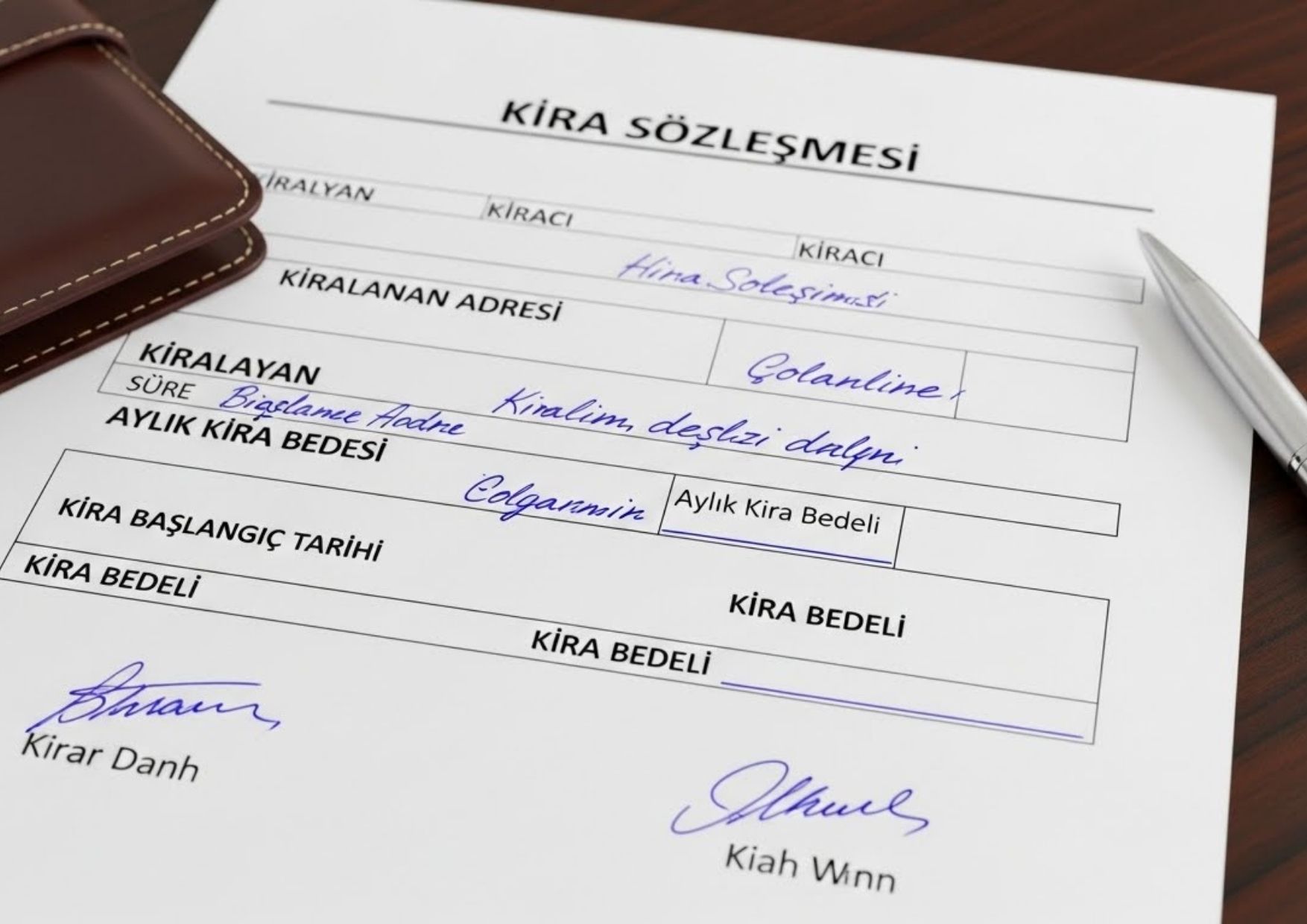
A written rental agreement is the most important document protecting the rights of both the landlord and the tenant. The agreement should clearly state the parties' identification and contact information, as well as the address and characteristics of the rented property. The rent amount , payment schedule and due dates , and payment method (e.g., bank transfer) should also be clearly specified.
The amount of the security deposit and its refund conditions, the rent increase rate and increase period (within legal limits) must be clearly stated in the contract. The duration of the contract (usually 1 year) and the terms of termination/renewal, as well as the notice periods for termination, should also be agreed upon. The tenant's responsibilities, such as how they will use the property, compliance with the building management plan, and who will pay the utility bills, should also be specified in the contract. The lease agreement must be complete and prepared in accordance with the Turkish Code of Obligations; otherwise, it may be considered invalid.
Tip: Prepare two copies of the rental agreement and have both parties sign them. If necessary, you can have the agreement notarized (this is not mandatory but prevents the signatures from being denied). In addition to the agreement, it is also helpful to prepare a report showing the condition of the house (explained below) and a list of fixtures and fittings, and have both parties sign them.
3. How Should Deposit and Payment Methods Be Determined?

A security deposit is a guarantee taken against potential damage or debts of the tenant. According to the Turkish Code of Obligations, the security deposit amount for residential and commercial leases cannot exceed three months' rent . In practice, a deposit of one or two months' rent is usually taken. Receiving the security deposit in advance, preferably through a bank , is important for both record keeping and security. Legally, a cash security deposit must be deposited into a bank account for a fixed term and kept secure until the end of the contract, preventing withdrawal without the tenant's consent (this account must not be broken without the approval of both parties). In this way, the security deposit amount will remain secure for the duration of the lease.
Transparency and order are very important in rent payments. The date on which the rent is to be paid each month should be specified in the contract, and these payments should be made via bank transfer/EFT to ensure compliance with legal obligations and to keep records. Payment via bank transfer serves as evidence in case of future disputes. Even if the tenant makes the payment in cash, a receipt or invoice should be issued for each payment and signed by both parties. This is necessary for both the landlord and the tenant to prove that the payment has been made.
Furthermore, the conditions under which the rent will increase (e.g., annually according to the CPI rate or within the legal increase limit) should be agreed upon in advance and written into the contract. Since limitations on legal rent increases for residential properties have recently been introduced, be sure to include a clause for increases that complies with current legislation.
4. How to Record the Condition of a House and the Inventory List?
Documenting the condition of the property upon handover is crucial for identifying any potential damage or deficiencies later on. You should record the property's current state in detail using a document called a handover report . This report should include details such as the condition of the walls, floors, doors and windows, paint, faucets and plumbing, as well as a list of any fixtures and fittings (e.g., boiler, air conditioner, built-in hob, furniture, etc., if the property is furnished). The initial meter readings (electricity, water, natural gas) should also be noted. The report should be signed by both the landlord and the tenant and, if possible, included as an appendix to the rental agreement.
This documentation allows for easy comparison of the property's condition upon departure by the tenant, enabling objective assessment of any potential damage. Preparing a complete handover report clarifies the tenant's responsibilities both upon receiving and returning the property. Without an inventory list and handover report, disagreements such as "this damage was there before/wasn't there before" can arise upon departure. To prevent this, it's recommended to take plenty of photographs during the handover and keep them with their dates.
5. What are the Tax Obligations and Official Procedures?
For landlords, certain tax obligations and official procedures are also part of the process. Knowing and fulfilling these beforehand is important to avoid penalties and ensure the rental process is conducted legally.
- Rental Income Tax: A homeowner who rents out their property is obligated to file an annual Income Tax return for the rental income they receive. In Turkey, there is an annual exemption amount determined by the state for residential rental income. Annual rental income below this amount may be exempt from tax. For example, for 2024 , property owners earning approximately 33,000 TL or less in annual residential rental income were exempt from paying rental income tax. However, those whose income exceeds this threshold must file an annual return by March 25th and pay the calculated tax. To deduct expenses in tax calculations, you can choose either the lump-sum expense method or the actual expense method. Since current exemption amounts and tax rates change annually, it is advisable to follow the announcements of the Revenue Administration or consult a financial advisor at the beginning of each year. Remember, receiving rental income through a bank is a correct practice both for record keeping and tax purposes (high-amount cash rental payments are problematic in terms of traceability). Also, as a homeowner, don't forget to pay your property taxes, such as tax (paid annually to the municipality), on time.
- Official Procedures: There are also some official procedures required during the rental process. First, your Compulsory Earthquake Insurance (DASK) policy must be valid; according to Law No. 6305 on Disaster Insurance , DASK insurance is required for new electricity and water subscriptions . Therefore, make sure your DASK policy has not expired (or renew it) before renting out your house. When the tenant moves in, they can obtain electricity, water, and natural gas subscriptions in their own name; the DASK policy number will be requested during these procedures.
Another important process is address and identity reporting . It is a legal requirement for your tenant to report their new address to the Population Registry Office. As a landlord, you can stipulate this address registration requirement in the contract. Furthermore, if your property is in an apartment building or complex, remember to inform the building/complex management of the tenant's identity and contact information . According to Law No. 1774 on Identity Reporting, apartment and complex managers are obligated to report the identity information of residents to the relevant authorities. Therefore, fulfill this legal requirement by providing your new tenant's information to the management. Also, keep a copy of the contract signed with the tenant for future reference.
Finally, if there is a real estate agent brokering the rental, their commission and service fee should also be considered (generally, in rental transactions, the commission is equal to one month's rent + VAT, paid equally by the tenant and the landlord). This can also be done with a formal contract. Make sure that all official documents and contracts are correctly completed and signed.
6. What should be considered when preparing a rental advertisement for a house?
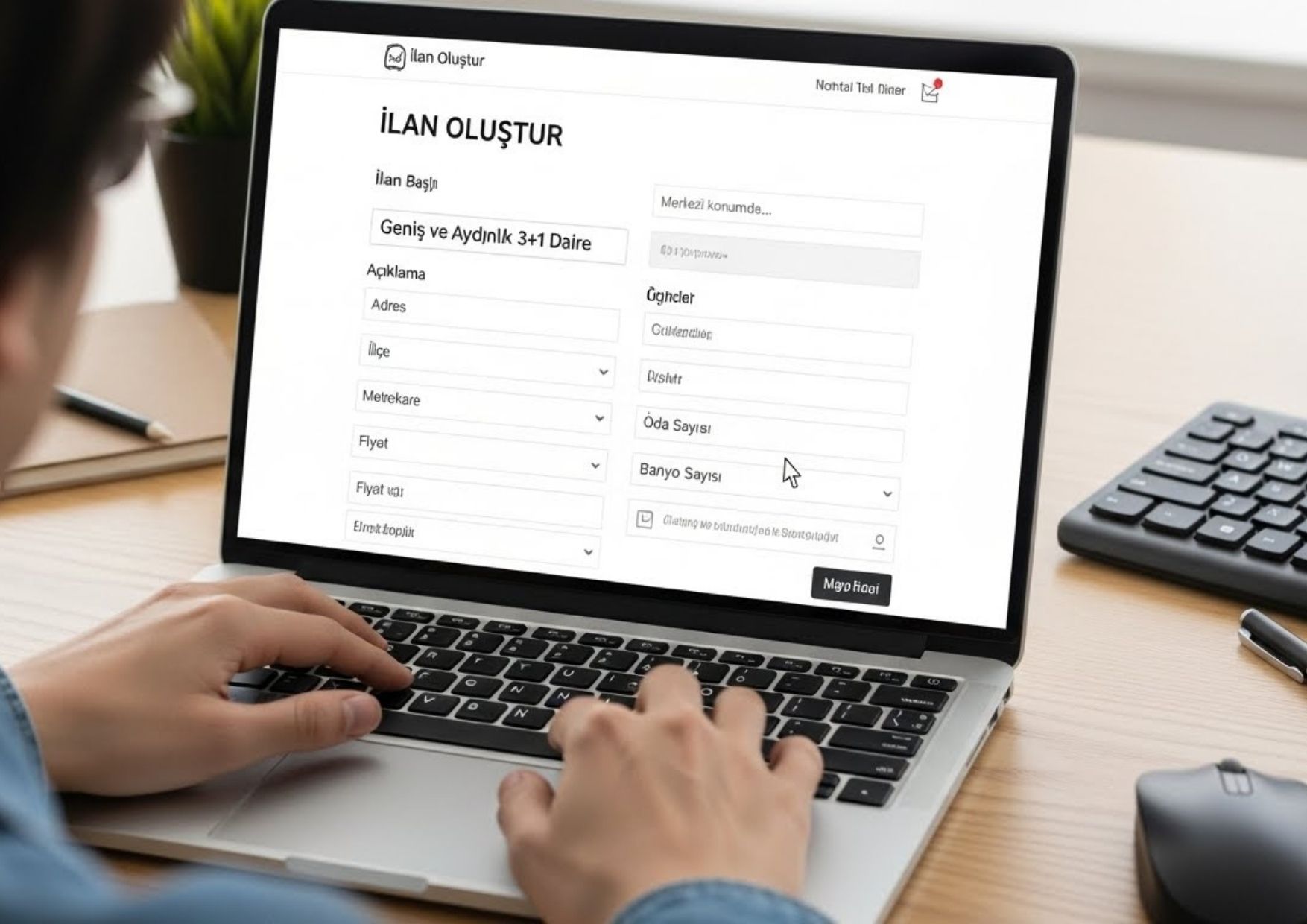
When renting out your property, the most effective way to reach potential tenants is through a well-prepared listing . When creating your listing, make sure to present your property in the most accurate and attractive way possible.
- Eye-catching headline: The ad headline should be short, concise, and engaging. Instead of simply saying "3+1 Apartment for Rent," you can highlight the property's standout feature. For example, a headline like "Furnished 3+1 Apartment for Rent in the City Center, Close to the Metro" will attract more attention. The headline should specify the type of apartment, its location, or a key feature.
- Accurate and complete information: Describe the property in detail in your listing. Avoid exaggeration or inaccuracy. Include complete information such as the net size of the property (in square meters), number of rooms, floor level, building age, heating type (gas boiler, central heating, etc.), monthly maintenance fee, security deposit requirement, nearby transportation options, and proximity to schools, markets, and public transport. Listing all features that tenants might value will attract the right candidates. Incomplete information can lead to unnecessary waste of time.
- High-quality photos: The photos in the listing create the first impression of the house. Therefore, use high-resolution photos taken in daylight in a clean and tidy environment. Include clear and bright images showing each room of the house from different angles. Photos of critical areas such as the living room, kitchen, and bathroom should definitely be included. If you are renting out a furnished house, list the items that appear in the photos and that you will leave to the tenant in the listing. In this way, items that appear in the photos but actually belong to you and will be purchased later are not confused with fixtures.
- Pricing: When determining the rental price, review comparable rental rates in the area and set a realistic price . An excessively high price will make it difficult to find a suitable tenant, while a low price can result in financial loss. Clearly state the security deposit amount and any additional rent required in advance (e.g., "2 months' deposit, 1 month's rent in advance") in the listing. This way, serious buyers will know the terms from the start.
- Communication and Viewing: Ensure your contact information is accurate and up-to-date in the listing. Respond quickly to prospective buyers who contact you. Be prepared for appointment requests to view the property and be friendly and honest during the viewing. Answer prospective buyers' questions clearly; for example, provide consistent information on topics such as building rules, whether pets are allowed, and the contract duration.
A well-prepared advertisement is very effective in attracting potential tenants . This allows you to find the right tenant more quickly and avoid wasting unnecessary time. Remember, the clearer, more honest, and more informative your advertisement is, the better the feedback you will receive.
Renting out your property can be a smooth process that provides a regular income when the right steps are taken. The things to consider when renting out your property – choosing the right tenant, creating a detailed and legal lease agreement, securing the deposit and payments, documenting the property's condition, completing all tax and official procedures, and preparing an effective listing – are all key to a trouble-free rental experience. By paying attention to these issues, you can minimize the risks you might encounter during the rental process and achieve a satisfactory outcome for both parties. Ultimately, renting out your property prepared and informed will provide you with both financial gain and peace of mind in the long run. You can confidently proceed with renting out your property by considering these tips.
Latest Posts
- Investment Property
- Estate Turkey
- Investment Real Estate
- Investment Turkey
- Istanbul Villas
- Luxury Estate Turkey
- Penthouse Istanbul
- Property For Sale Istanbul
- Property Investment Turkey
- Property Istanbul
- Property Turkey
- Real Estate Istanbul
- Real Estate Istanbul Turkey
- Real Estate Turkey
- Real Estate Istanbul Turkey
- Seaside Istanbul
- Turkey Real Estate
- Turkish Estate
- Turkish Home
- CITY DESCRIPTIONS
- Latest News
- Miami Real Estate
 The Ultimate Guide to Turkish Citizenship by Investment
 Which country do Turkish investors buy the most houses in?
 Things to Consider When Buying a House
Other Blogs