Buying Real Estate in Istanbul | A Guide for Foreign Investors
Şub 19 2026
Reasons why investors from Europe, the Middle East, and the US are choosing Istanbul as their next real estate destination. Istanbul's booming economy and cosmopolitan lifestyle make it an attractive market for global buyers. Recent double-digit annual price increases, solid rental yields, and a weak Turkish lira have made foreign investment in Istanbul a significant advantage. The city's strategic location, bridging Europe and Asia , and its expanding international business infrastructure further enhance its appeal. Many investors even aim to acquire property here to qualify for Turkey's citizenship by investment program.
- Average rental yield: ~5-8% in Istanbul (up to 10% in the best neighborhoods)
- Average price increase: ~30% per year (e.g., +28.5% in 2025)
- Minimum investment: Prices start from around €50-75,000 for a modest suburban apartment.
What are the reasons to invest in Istanbul in 2026?

Istanbul's Strategic Location
Istanbul uniquely connects two continents and is situated on the Bosphorus, making it a natural link between Europe and Asia. Its ports, highways, and rail networks connect Türkiye to the Middle East, Europe, and Central Asia. Istanbul Airport, one of the largest in the world, offers extensive cargo and passenger routes. Multinational corporations and logistics firms value Istanbul as an international trade hub with direct access to both Western and Eastern markets. In short, Istanbul's geography and infrastructure make it a powerful center for trade and transit.
Demographics and Demand
The population of Greater Istanbul is currently around 15.7 million (2024) – roughly 18% of Turkey’s total population. This makes it one of the largest and fastest-growing cities in Europe . Annual growth is around 3-4%, thanks to internal migration and a young workforce (Turkey’s average age is only 32 ) . More people mean more households and a constant demand for housing. Even after new construction, housing occupancy rates remain very high. In addition, Istanbul has large student and expatriate communities, including around 250,000 international students and many remote workers, all of which increase the demand for rental housing. The city’s continuous population growth and urbanization help keep housing rentals occupied year-round.
Currency-Based Advantages
One of the most important attractions for foreign buyers is the currency: properties in Turkey are priced in Turkish Lira (TL ). When your capital is in a stronger currency (USD, EUR, GBP, etc.), you have more purchasing power. For example, when $1 = ~40–45 TL, a house costing 4 million TL costs only about $90–100,000 and remains well below European prices. “Foreign buyers often take advantage of currency differences, making Turkish real estate relatively more affordable compared to Europe or Gulf countries .” Over time, rents collected in TL can be converted to dollars or euros at more favorable rates. As a result, the rising nominal rent becomes a stronger cash flow in foreign currency, increasing returns. This currency difference (weaker TL versus stronger USD/EUR) is a major attraction: you pay the local price but benefit from Western income streams.
Graph: Housing price increase over the last 5 years (Istanbul) – showing consistently high nominal gains year-on-year, reflecting inflation and demand (e.g., +32.6% in May 2025 compared to 2024). and +28.5% in December 2025).
Rental Income and Capital Appreciation

Average Rental Yields
Figure: Average gross rental yields in major Turkish cities versus average gross rental yields in major European cities. The average yield in Istanbul is approximately 6-8%.
Apartments in Istanbul generally yield approximately 5-8% gross return per year . The exact figure depends on location and property type: well-located large projects may yield around 5%, while apartments in the city center typically reach 6-7%. Short-term returns can be even higher, particularly in high-demand central districts. For example, data shows that studio apartments in Beyoğlu, Şişli, or Kadıköy yield approximately 10% (through short-term rentals). Government research reports that the average gross yield in Istanbul is approximately 8.15%. Overall, tenants in Istanbul (locals, foreigners, students) keep vacancy rates low by quickly filling new units. As construction costs increase, rental prices tend to outpace normal inflation, further boosting returns.
|
Investment |
Monthly Rent (USD) |
5-Year Value (USD) |
ROI* |
|---|---|---|---|
|
$100,000 (studio) |
$600 |
$160,000 |
~90% |
|
$200,000 (2 Bedrooms) |
$1,200 |
$320,000 |
~90% |
|
$500,000 (3 Bedrooms) |
$3,000 |
$800,000 |
~140% |
Example Scenario – 5-Year Outlook: The table above illustrates how a sample investment might appreciate in value. Assuming approximately a 50% price increase over 5 years and rental income (approximately $600-$3,000 per month depending on size), total returns (including both rental and sales gains) could easily reach 90-140% over five years . (Actual return on investment will vary depending on the project and market conditions.)
Airbnb and Short-Term Rentals
Istanbul is a major tourism hub, and some areas offer high returns on short-term rentals. Neighborhoods like Sultanahmet, Taksim/Beyoğlu, Ortaköy, and Kadıköy experience high traffic of tourists and business travelers. Accommodations in these areas can yield nightly rental income 2-3 times the normal rent. According to Turkey's new regulations for short-term rentals (2024), homeowners are now required to register with tourism authorities, providing greater legal clarity for investors. Once these rules are in place, many apartments in historic or central neighborhoods consistently generate over 10% gross returns on Airbnb-like rentals . Even long-term homeowners can occasionally benefit from holiday demand (e.g., summer or major events). In short, the tourism market offers an advantage: a property in Istanbul can easily switch between stable tenancy and high-season rentals, generating additional income.
Legal Process for Foreign Buyers
Title Deed Transaction (Title Deed)
Foreigners complete the purchase process through official Land Registry Offices affiliated with Turkey's Land Registry Department . The transfer process is highly regulated and secure. Once your purchase payment is arranged, both the buyer and seller (or their authorized lawyers) meet at the land registry office to sign and register the title deed. After all documents are completed, the title deed can be issued immediately. In practice, paperwork and registration take only a few days , but getting an appointment at busy offices in Istanbul can take an extra week or two . Generally, the transfer process is usually completed within 3-5 business days after the final payment (and often less than 2 weeks in Istanbul). Modernization helps ensure security: since 2021, all new title deeds have included secure QR codes and digital records in Turkey's land registry system. This e-Title Deed system prevents fraud and facilitates verification of ownership. (If the buyer cannot travel, an apostilled power of attorney from the Turkish consulate can be issued to act on their behalf – this is a common practice in sales at the project stage.)
Taxes and Fees
Foreign buyers pay the same transfer taxes as locals. The largest fee is the Title Tax , set at 4% of the declared value of the property (shared between buyer/seller or borne by the buyer) . For example, on a $200,000 purchase, you would pay $8,000 in taxes at closing. Other costs include mandatory DASK earthquake insurance (approximately 0.1-0.4% of the property value annually) and a small notary fee for any contracts (~0.04% of the price). If you are buying a new project, sometimes developers pay all taxes and include them in the price. If financing is provided, banks charge an appraisal fee (~0.3-0.5% of the value). In summary, expect total closing costs to be around 5-6% of the price if you handle legal fees and insurance yourself, and around 6-8% if you use agents (agents may charge a 2% commission). Basic rule: the 4% transfer tax is unavoidable.
Banking and Payment Process
a Turkish tax identification number (easily obtainable from any tax office) and a local bank account . Payments are usually made by bank transfer or check on the day of signing. Because mortgage options are limited in Turkey (foreigners face high interest rates and short terms), most foreign buyers prefer cash payment. If financing is needed, Turkish banks now offer mortgage loans to foreigners at interest rates around 10-15% (2025 figures). However, due to exchange rate risk, many buyers make the full payment in USD/EUR or TRY acquired through swaps. In practice, we recommend budgeting the full price of the property in foreign currency and transferring it to a secure escrow account or developer account before final closing.
Turkish Citizenship by Investment
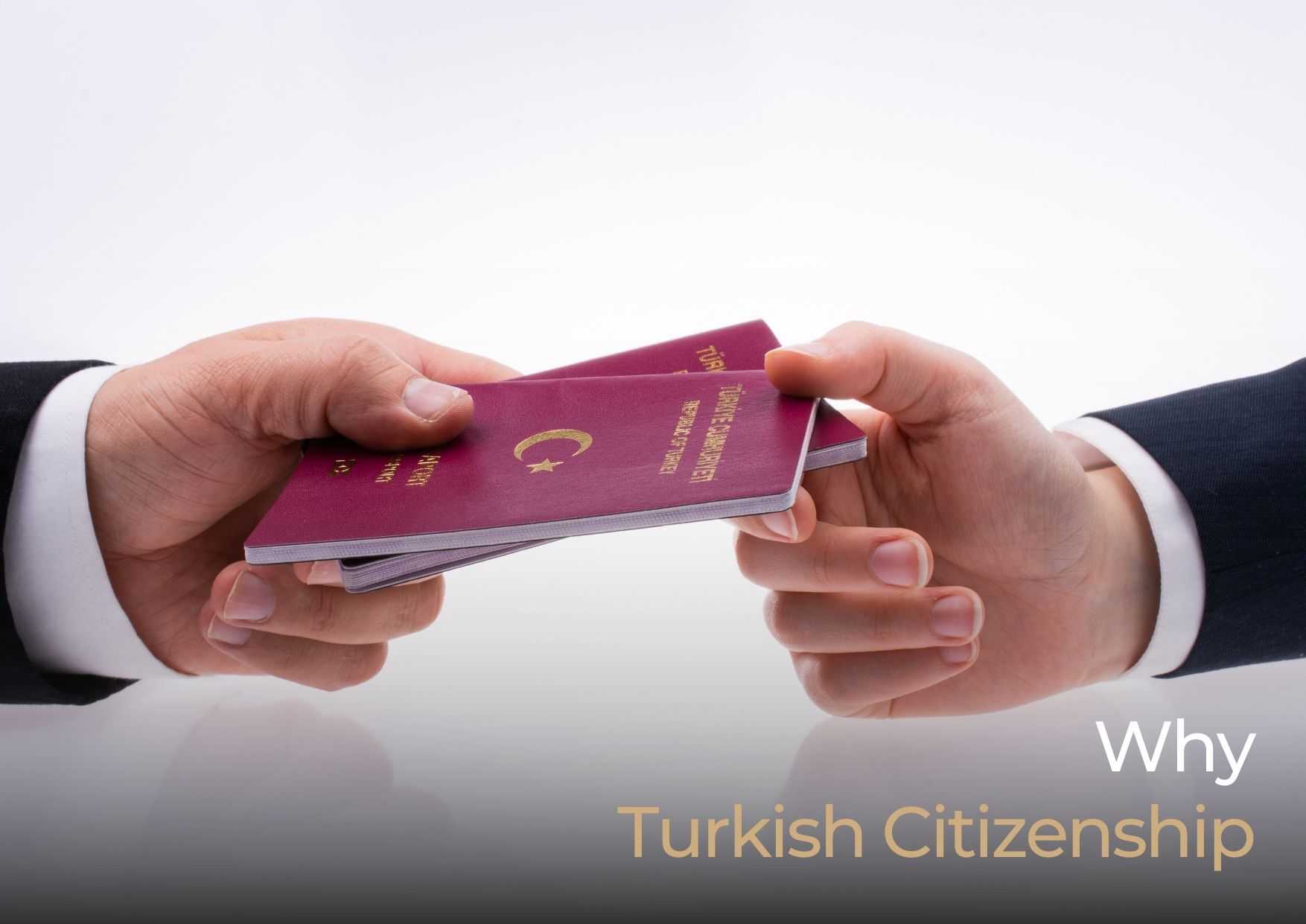
Turkey offers a citizenship program through real estate investment. According to the rules of the Directorate of Migration Management , foreigners who purchase real estate worth at least US$400,000 and hold it for three years are eligible to apply for Turkish citizenship. The US$400,000 must be in one or more properties (total declared value) and the title deed must clearly state that it is for citizenship purposes (with a three-year non-sale commitment). The investor (main applicant) can also include their spouse and children under 18 in the application. After the title deed is registered, the file is submitted to the immigration office. The office reviews background and identity information, a process that usually takes several months. Upon approval, the family receives a full Turkish passport granting visa-free entry to over 110 countries. The program is very popular – Turkey's low real estate threshold (US$400,000) and fast processing make real estate in Istanbul particularly attractive for those seeking a passport.
👉 Check your eligibility (Find out if you are eligible for Turkish citizenship through investment)
Best Areas to Buy Real Estate in Istanbul
Basaksehir
Located west of the city center, Başakşehir is a newly developing suburb. It features modern residential complexes with family-friendly amenities, shopping malls, hospitals, and schools. An expanding metro line and highways provide excellent connectivity. Prices here are still relatively low: Endeksa data shows an average of ~$1,472/m² and a gross rental yield of approximately 6.7% . In short, Başakşehir appeals to families seeking space and value. The government has invested in the area (e.g., a water park, stadium, and technology park), therefore long-term appreciation is expected.
Beylikdüzü
Beylikdüzü is a planned, green area on the European side of Istanbul. It boasts wide boulevards, large new apartment blocks, and a marina by the sea. This area is quite affordable for Istanbul – prices generally range from $2,500–$5,000/m² , but rents remain strong. As a result, yields of 4.5–6.5% are common. The quality of life is high: hospitals, international schools, and large shopping malls (Marmara Park, Perlavista ) are nearby. Many working-class families and foreign nationals live here, and the upcoming metro connections (Marmaray, metro line) promise further growth. Overall, Beylikdüzü is a “value for money” area – low entry cost but solid long-term growth potential.
Kadıköy
Kadıköy is an upscale district on the Asian side of the Bosphorus. It's an old and established center with cafes, shops, and waterfront parks. Almost every foreigner knows Kadıköy's famous fish market and cultural scene. Due to its central location, properties here sell for high prices averaging around 144,000 TL/m² (≈$3,300/m²) . Despite this, rental demand is extremely high; long-term rentals of apartments in Kadıköy yield 6-8 % returns . In short-term rentals, returns can exceed 10% . In practice, the value of homes in Kadıköy is also steadily increasing. Those investing in Kadıköy aim for liquidity and prestige: Your tenants will be professionals and students paying high rents, and resale properties in areas close to the Bosphorus are sold quickly.
Zeytinburnu
Zeytinburnu is located in the southwest of the old city, on the former European coast. It offers a mix of traditional neighborhoods and newer towers, many of which have views of the Marmara Sea. The area is in constant demand by tenants due to its very central location (close to Atatürk Airport and the metro). Prices are in the upper-mid range; most 2-3 bedroom apartments are in the $2,000-$3,000/m² range. Being a relatively dense and developed area, Zeytinburnu offers stable appreciation in value while reducing the risk of ground floor depreciation. Notable projects here include those located along the Bakırköy road corridor. Due to its location, it is popular among white-collar workers, which ensures long-term rental stability.
|
Area |
Average Price ($/m²) |
Rental Income |
Typical Investment Type |
|---|---|---|---|
|
Basaksehir |
$1,472 |
~6.7% |
Family-friendly new suburbs (large complexes) |
|
Beylikdüzü |
$3,500 (range $2,500–$5,000) |
4.5–6.5% |
Suburban coast (green neighborhoods) |
|
Kadıköy |
$3,300 |
~6–8% (10% short term) |
Luxury city center (shops, cafes, transportation hub) |
|
Zeytinburnu |
$2,500 (estimated) |
~5% |
Central residential areas (projects with sea views) |
(Prices and yields are approximate averages for 2025-2026. Consult local experts for exact prices.)
What are the risks?
Investing in Istanbul is profitable but not without risk. The biggest concern is earthquakes : Istanbul is located on active fault lines, and older buildings may not be earthquake-resistant. New regulations (post-2018) mandate strict seismic standards for all new construction, so most modern apartments are much safer. Nevertheless , it would be wise to check the building's certification and obtain mandatory earthquake insurance (DASK) for any home.
Another risk is oversupply . Turkey has experienced a construction boom, and in some suburban areas, new developments have outpaced population growth. This could put downward pressure on prices and rents in the short term. However, central areas rarely experience oversupply, and overall, demand in Turkey (driven by demographics and urbanization) tends to absorb most of the new supply.
Currency volatility is also a factor. The Turkish lira can experience sharp fluctuations; an investor sensitive to exchange rate risk should consider borrowing in Turkish lira or hedging against the exchange rate. Fortunately, most foreign buyers roll over capital in advance (pegging their prices in a stronger currency), and Turkish lira-denominated mortgage options can secure a portion of the financing.
regarding short-term rentals . Turkey now mandates that Airbnb-like hosts register and pay taxes. Further tightening of regulations could impact returns. However, the 2024 rules primarily aim to improve security and tax compliance and make short-term rentals more legally clear . Local investors generally consider this risk manageable.
How do we minimize the risk?
We focus on established projects from reputable developers, insist on up-to-date building permits and insurance, and recommend stable neighborhoods. We thoroughly inspect every property for earthquake resistance and never recommend purchasing properties with shared ownership (co-ownership). When managing payments, we utilize escrow services to protect both buyer and seller. We also diversify risk by advising our clients on multiple investment options (long-term vs. short-term rental, different areas). In short, rigorous vetting and diversification help mitigate many of the risks in the Istanbul market.
Real Investment Example (Case Study)
For example: In 2021, a client purchased a 90 m² apartment in Ümraniye (Asian side) for US$100,000. Over the next five years, Istanbul's real estate index rose sharply; by 2026, the market value of this apartment was approximately US$150,000 (≈50% appreciation). During this period, the client rented out the apartment for an average of US$600/month , earning a total rental income of approximately US$36,000 over five years. The total earnings (US$50,000 price increase + US$36,000 rent) are US$86,000. This means the investor's total return on investment is approximately 86% over five years , or approximately 16% annually . This demonstrates how Istanbul's high growth rate and reasonable returns can accelerate equity investment.
While actual results vary depending on timing and location, this example reflects the scale of potential returns for mid-priced family homes. Such success stories (especially in developing areas like Ümraniye, Beylikdüzü, or Başakşehir) are common among our clients.
Lifestyle Advantages of Living in Istanbul
Beyond just the financial advantages, living in Istanbul offers many lifestyle benefits. The city provides world-class amenities : dozens of private hospitals (Acıbadem, Memorial, etc.) and numerous international schools throughout the city (with British, American, and French curricula). Large shopping malls such as İstinye Park, Forum Istanbul, and Cevahir offer modern retail opportunities. Along the coastline, Istanbul's parks and promenades, and the famous Life Valley in Beylikdüzü (Istanbul's largest city park), offer families a chance to enjoy the outdoors . And then there's the Bosphorus and the Sea of Marmara: ferries and coastal parks are part of daily life.
The culture and food scene are also world-class. Istanbul is full of historical sites, art galleries, and nightlife (especially around Taksim, Beşiktaş, and Kadıköy). For Europeans, the climate is a mild Mediterranean one – hot summers, mild winters – and the cost of living is lower than most Western capitals. In general, buyers tell us that Istanbul combines the comforts of European cities with an exotic ambiance: shopping malls, hospitals, and schools are on par with Europe, and weekend getaways to the Sea of Marmara or Cappadocia are just a short flight away.
Frequently Asked Questions (FAQ)
Can foreigners buy property in Istanbul?
Yes. Turkey allows most nationalities to purchase real estate (some restrictions may apply due to the principle of reciprocity, but as of 2026, almost all Western, Middle Eastern, and Asian buyers are permitted). Foreigners do not encounter any price differences based on their nationality. The only general limit is that foreign ownership in any given area cannot exceed 10% of the total land area, but in practice, this limit rarely poses a problem. In short, non-Turkish buyers have almost the same rights as locals regarding residential ownership.
How long does the purchase process take? It usually
takes 2-4 weeks for a ready-to-move-in apartment, from offer to keys . After the contract is signed and the funds are transferred, obtaining the title deed (Tapu) from the land registry usually only takes 1-3 business days for final paperwork [12]. However, in busy areas, especially during peak periods, scheduling a title deed appointment may take an additional 1-2 weeks. In general, plan for approximately 3-5 weeks in total from agreement to ownership .
Is rental income taxed?
Yes. In Turkey, rental income is taxed under the standard income tax system. Rates start at 15% for low incomes and progressively increase to 40% for higher income brackets . Non-resident landlords only pay tax on rental income earned in Turkey; expenses such as repairs and furniture are deductible. In practice, many investors find the tax manageable, especially since returns (5-8%) are higher than after-tax returns in Western cities. Note: The tax year for rental income in Turkey runs from March 1st to March 25th of the following year, and tax returns are filed in March and July.
Is Istanbul safe?
Generally, Istanbul is as safe as other major cities. In fact, crime rates are declining. In early 2025, property crimes in Istanbul saw a 27% decrease compared to the previous year. Violent crime is low, but as in any major city, petty theft (pickpocketing) can occur in crowded tourist areas. The government maintains a strong police presence in key areas. Most foreign nationals and residents report feeling safe. Standard precautions (avoiding deserted streets late at night, hiding valuables) are recommended. Overall, Istanbul is considered a safe city to live in and invest in.
Ready to Invest in Istanbul? Our team
offers free investment advice to help you navigate the process . We provide you with a free regional market report and personalized recommendations on neighborhoods and property types that suit your goals. Contact us via WhatsApp or email to get started – no obligations, just expert guidance.
Latest Posts
- Investment Property
- Estate Turkey
- Investment Real Estate
- Investment Turkey
- Istanbul Villas
- Luxury Estate Turkey
- Penthouse Istanbul
- Property For Sale Istanbul
- Property Investment Turkey
- Property Istanbul
- Property Turkey
- Real Estate Istanbul
- Real Estate Istanbul Turkey
- Real Estate Turkey
- Real Estate Istanbul Turkey
- Seaside Istanbul
- Turkey Real Estate
- Turkish Estate
- Turkish Home
- CITY DESCRIPTIONS
- Latest News
- Miami Real Estate
 The Ultimate Guide to Turkish Citizenship by Investment
 Which country do Turkish investors buy the most houses in?
 Things to Consider When Buying a House
Other Blogs