
Villas for Sale in Türkiye
220 villas across every market we cover, $180K to $50M, newest first. A villa means something different on each coast — a stone house above Alaçatı, a pool villa on the Bodrum peninsula, a gated family house in Istanbul's forest belt — and the region decides far more about the purchase than the specification does. This page is the regional map; the luxury villa list is the same stock sorted by price.
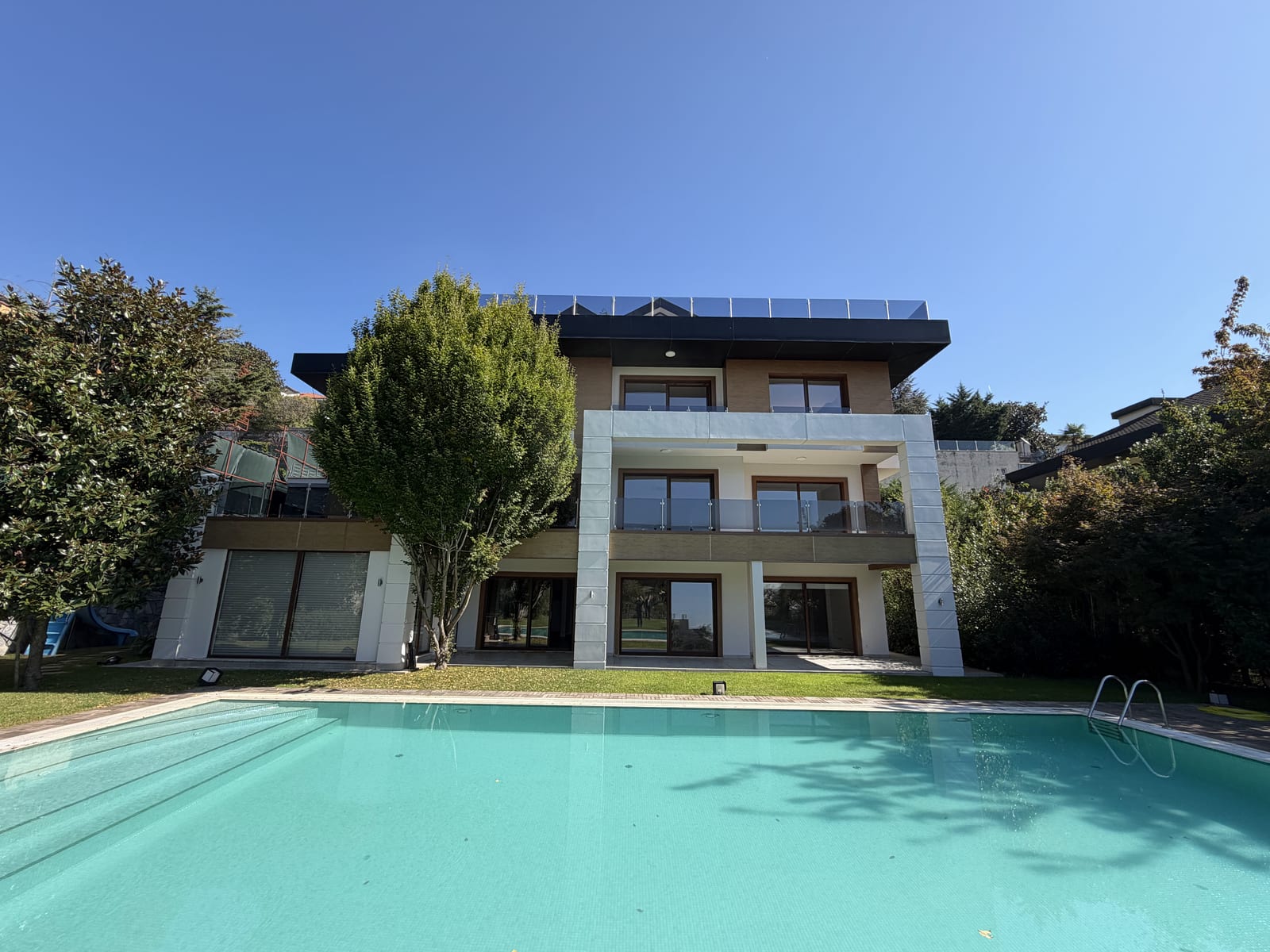
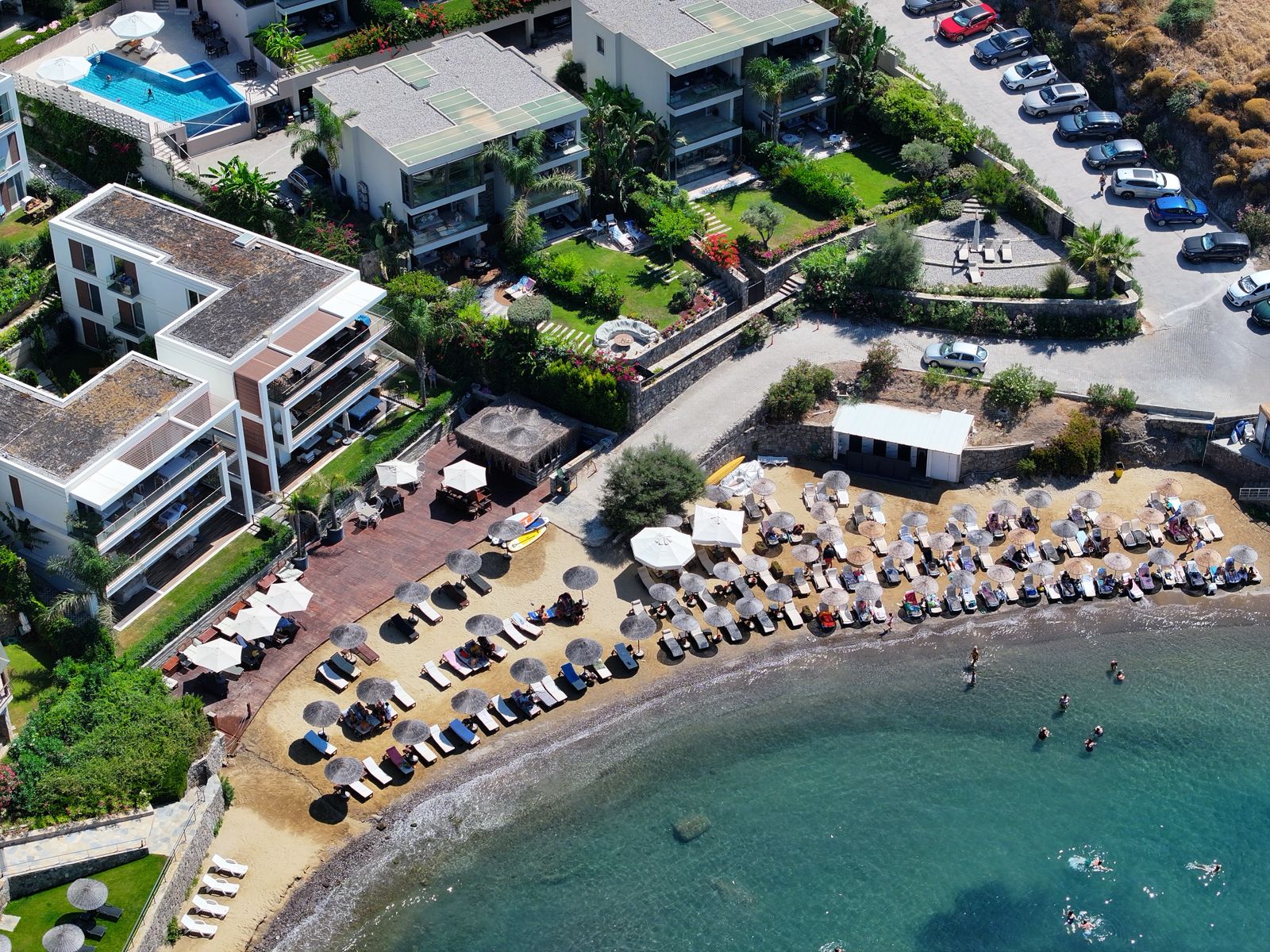
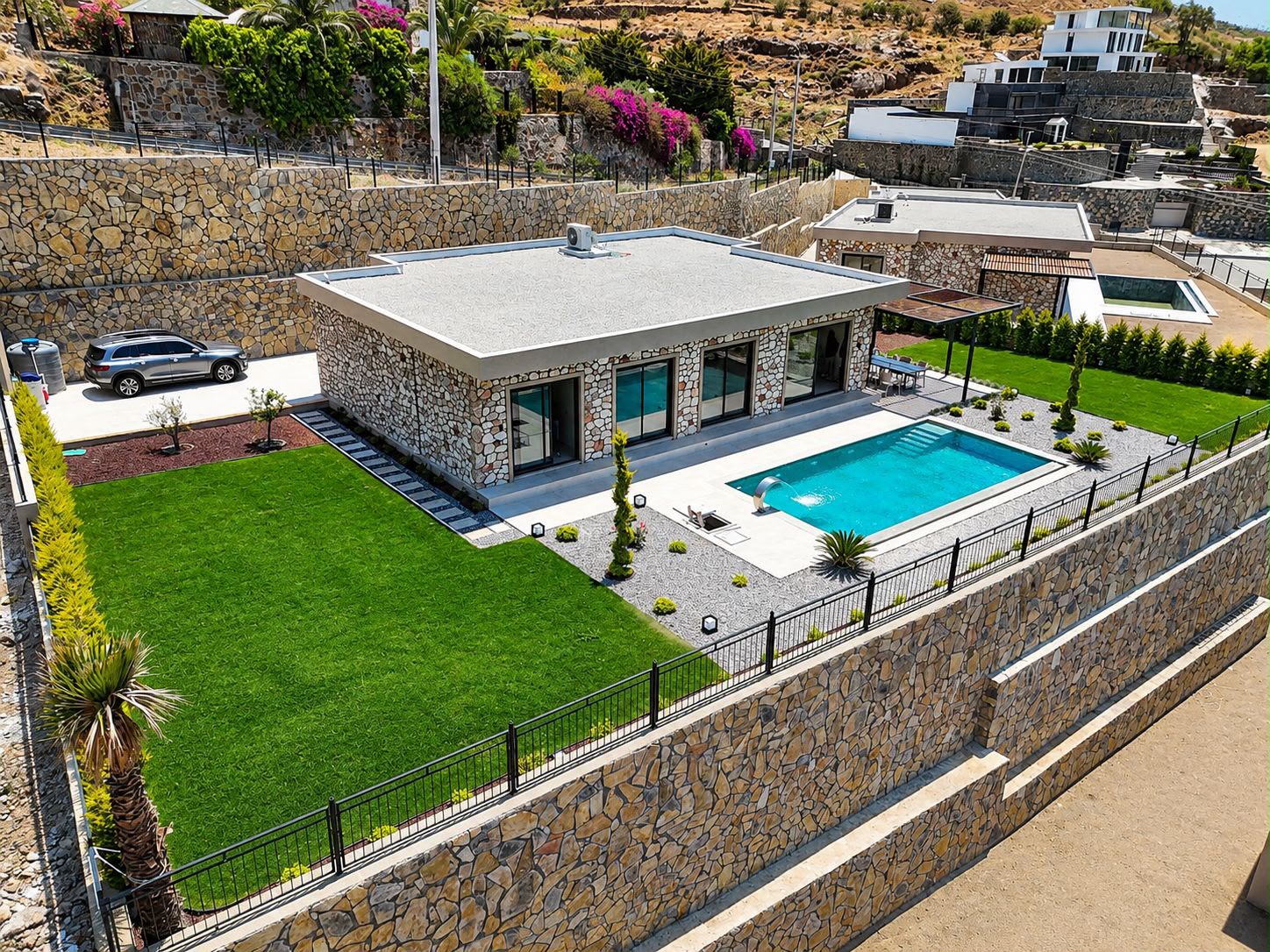
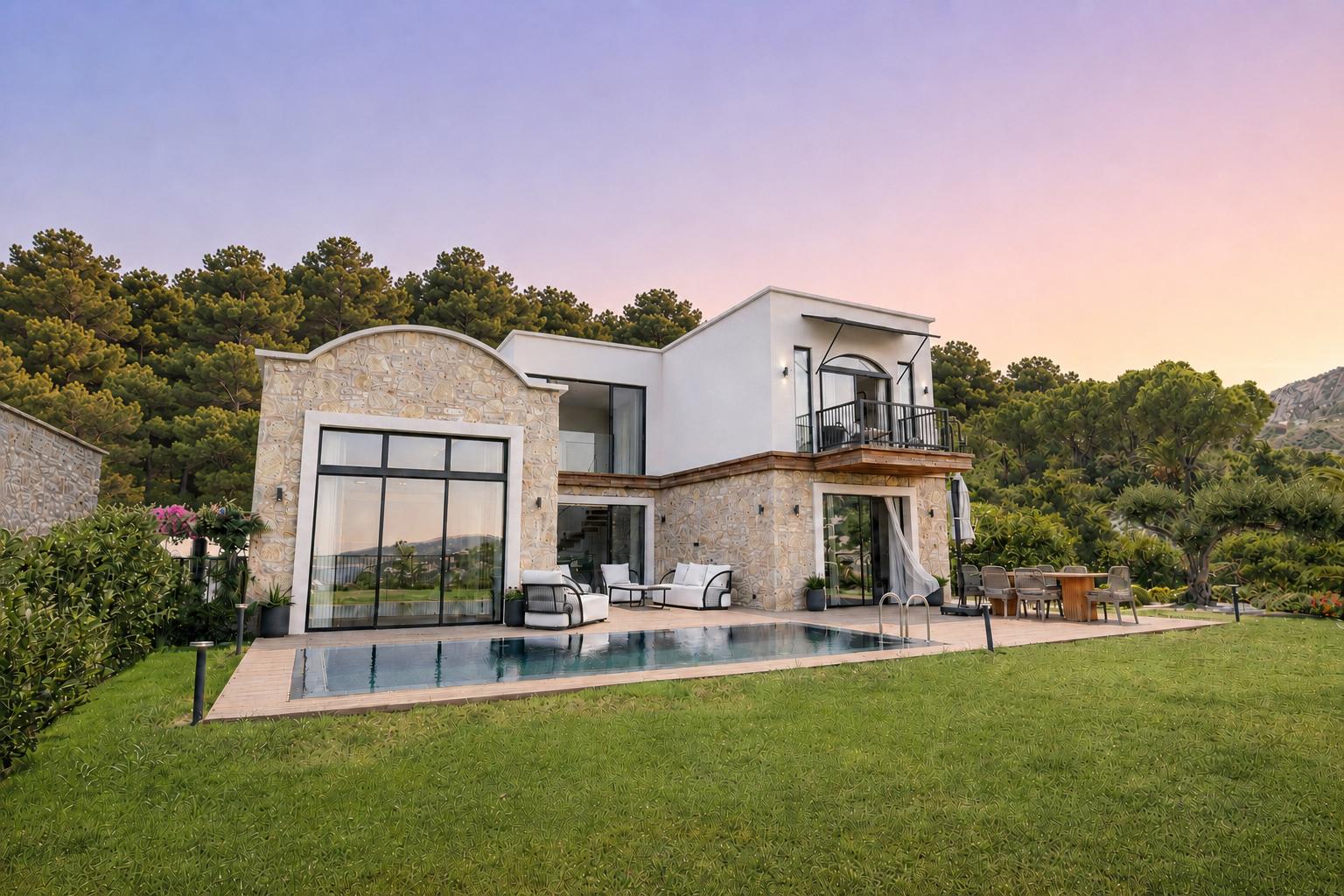
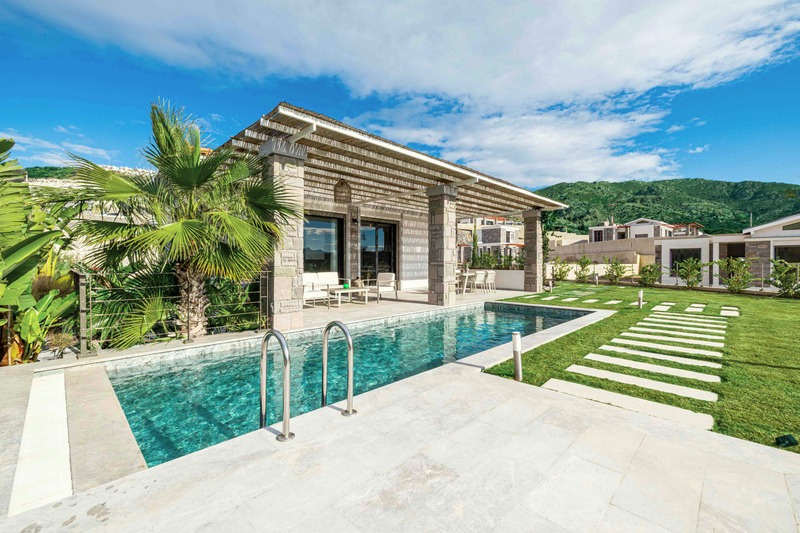
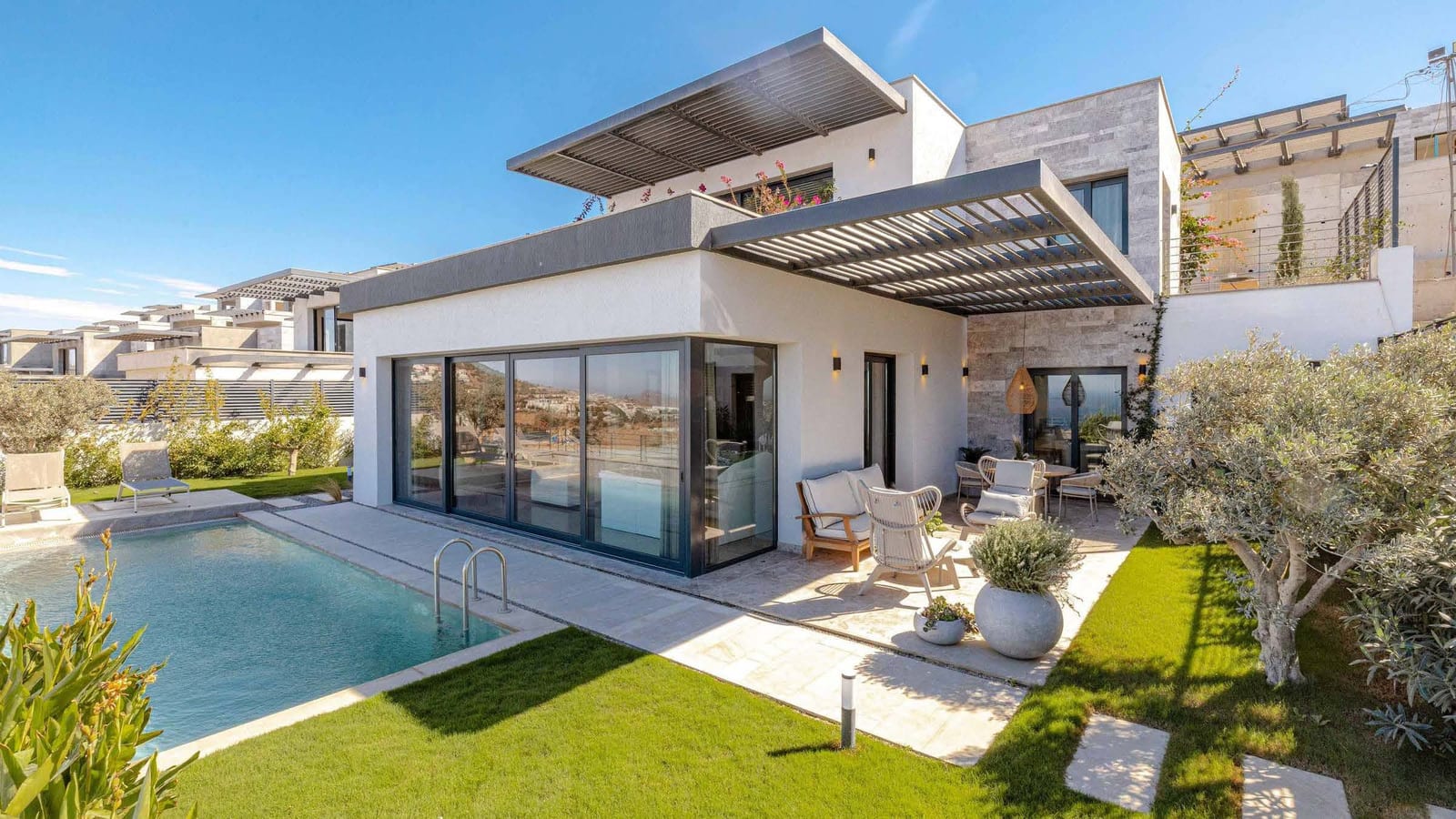
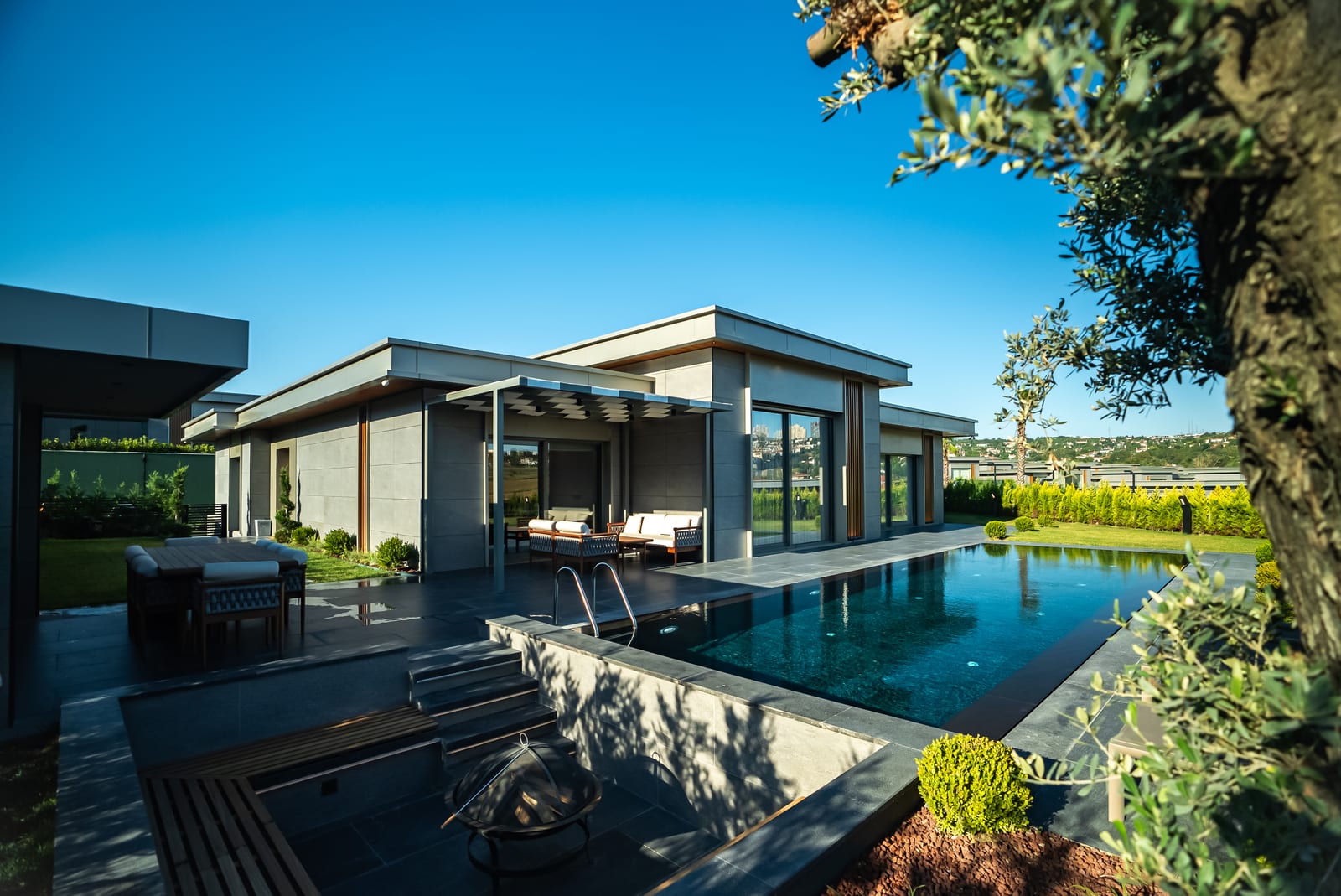
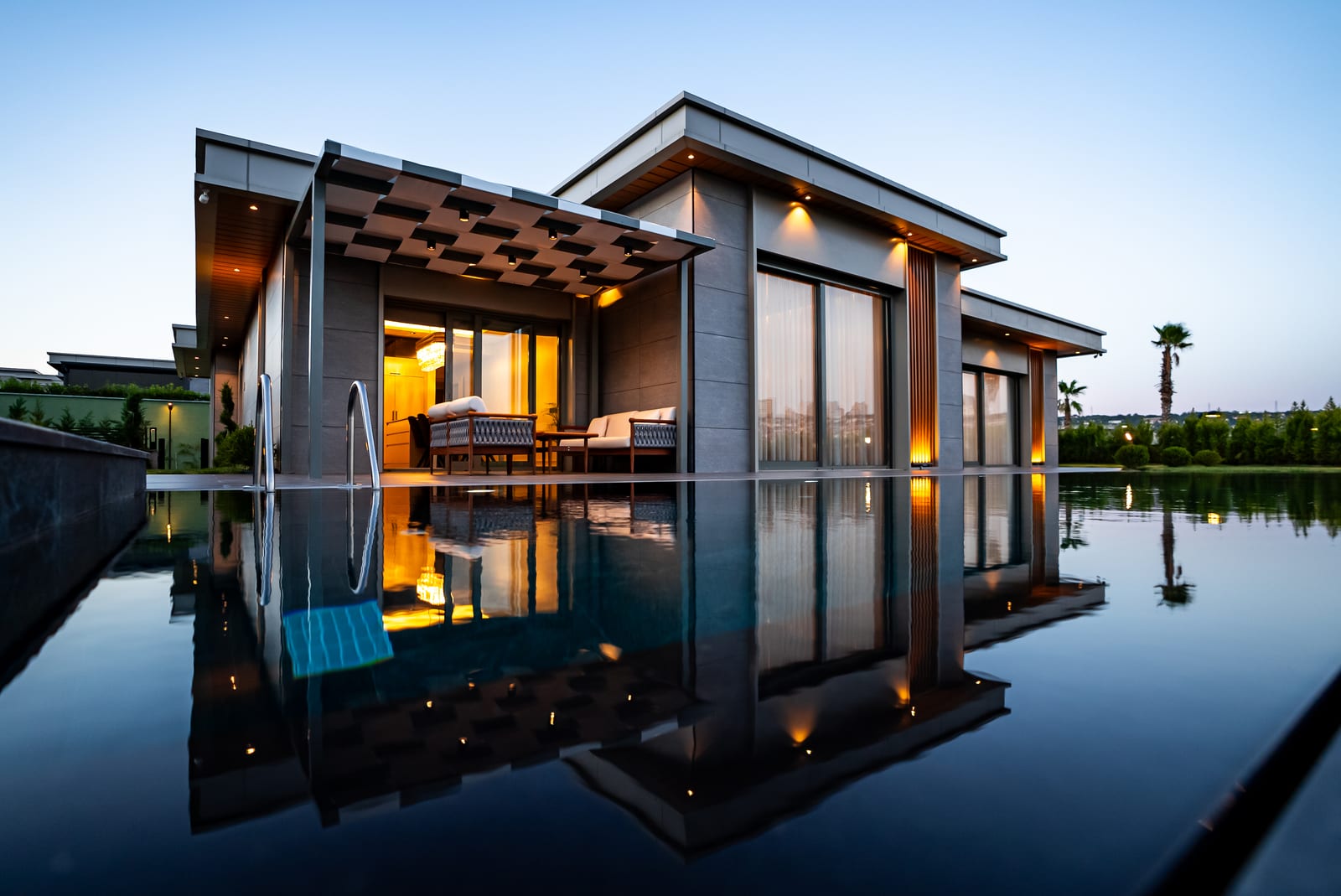
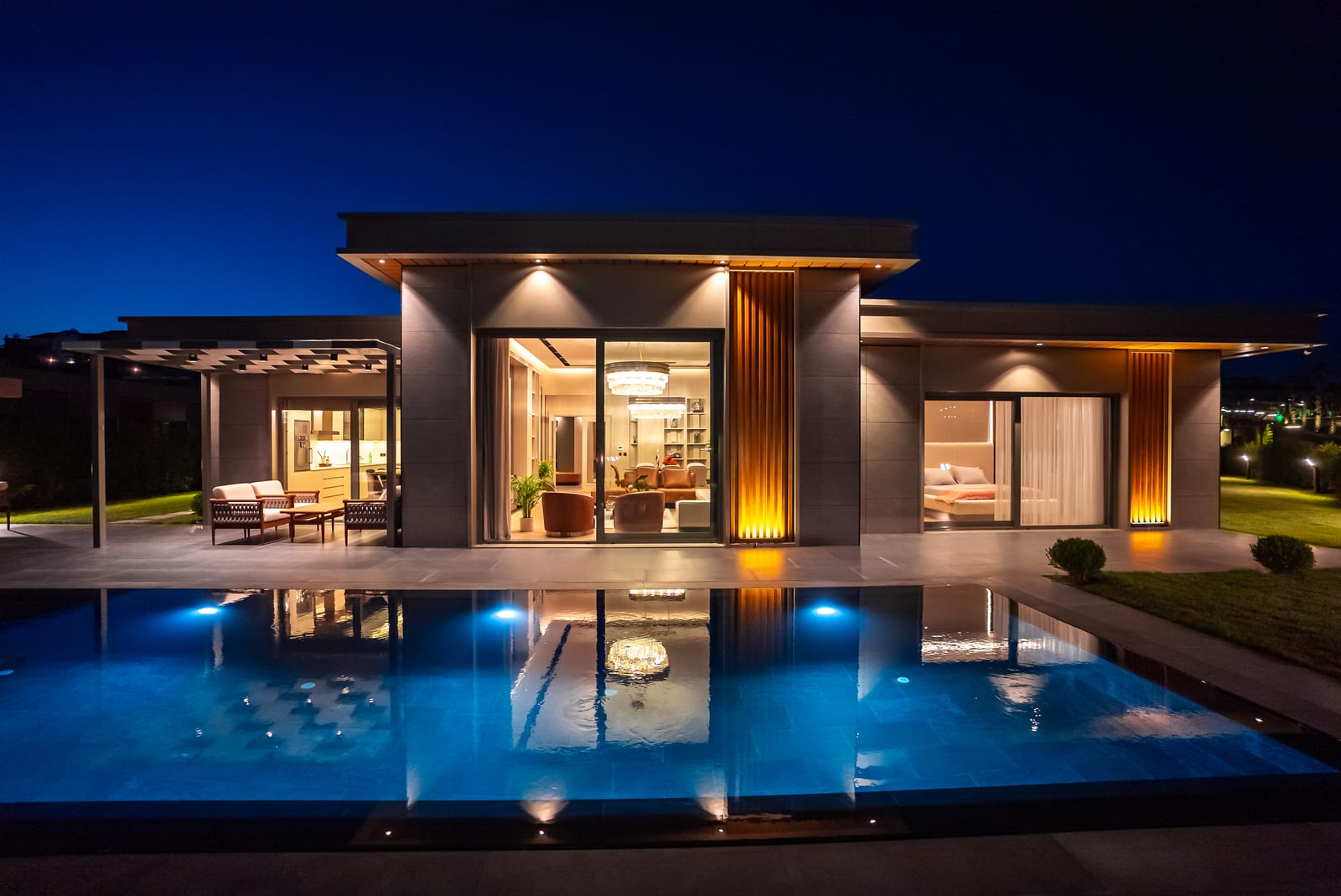
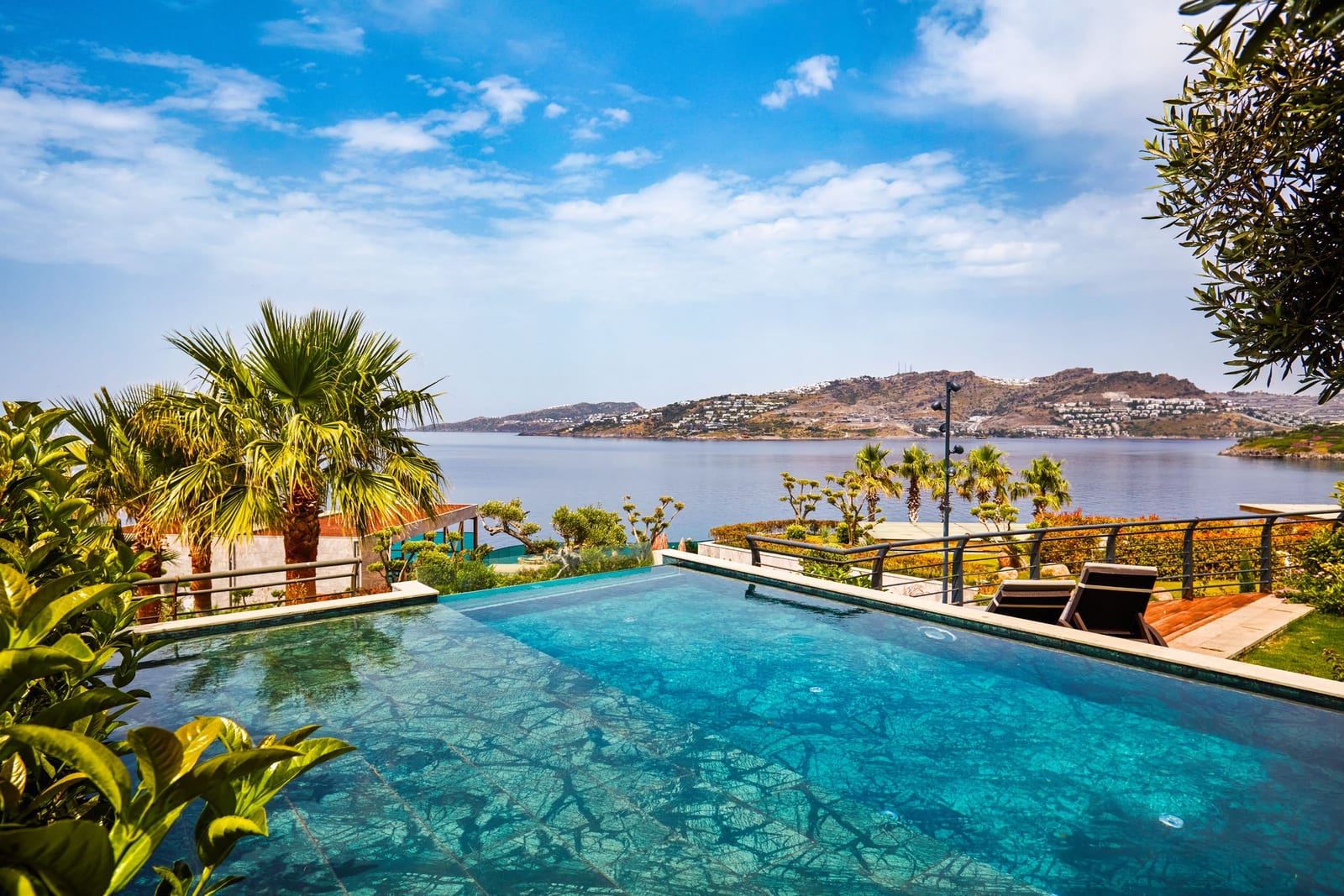
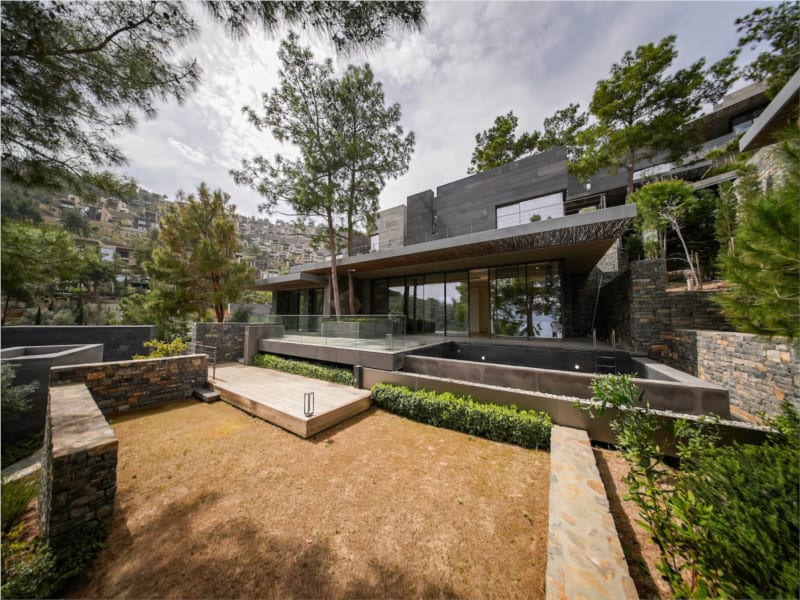
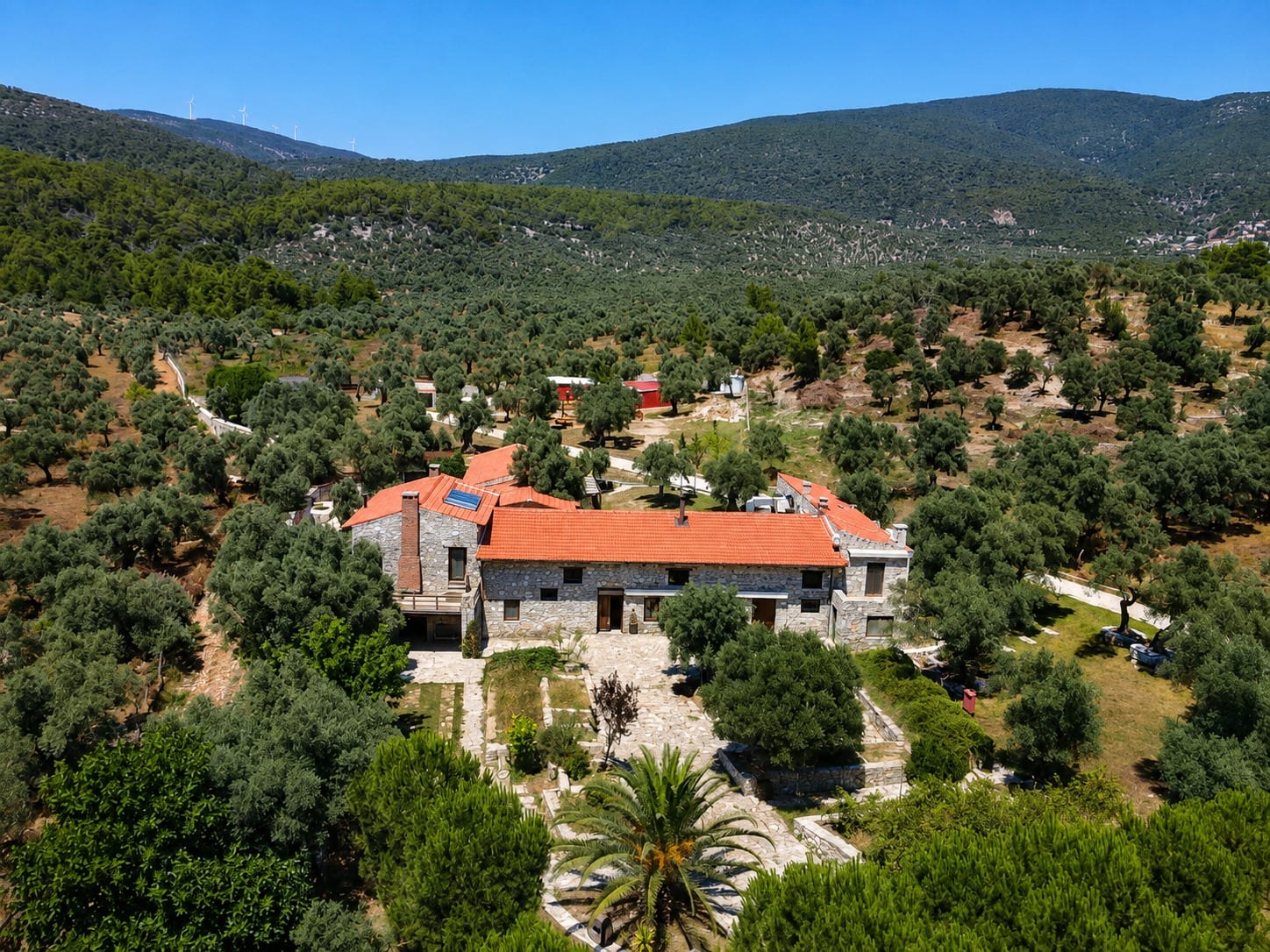
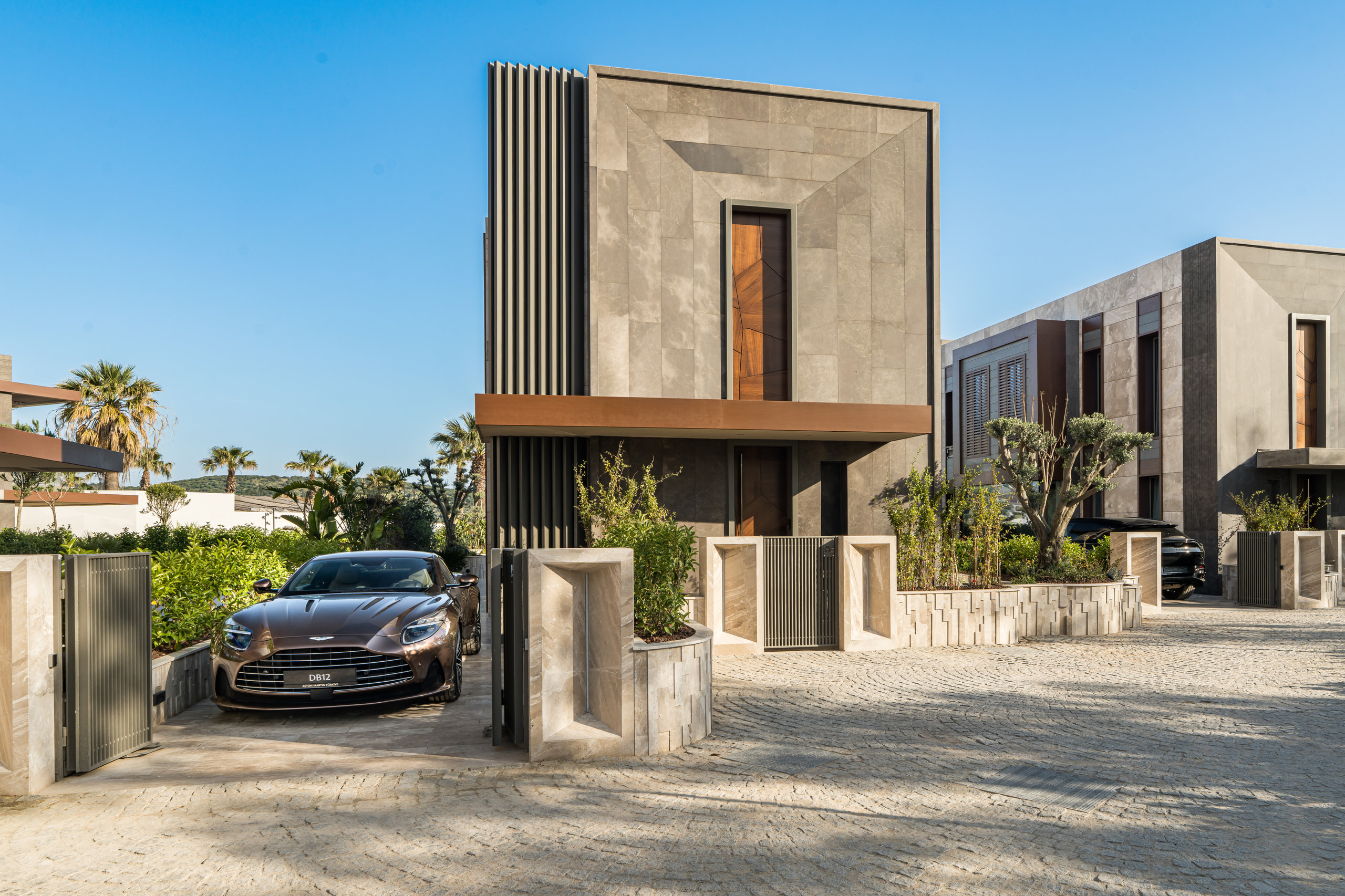


The same word, four different houses
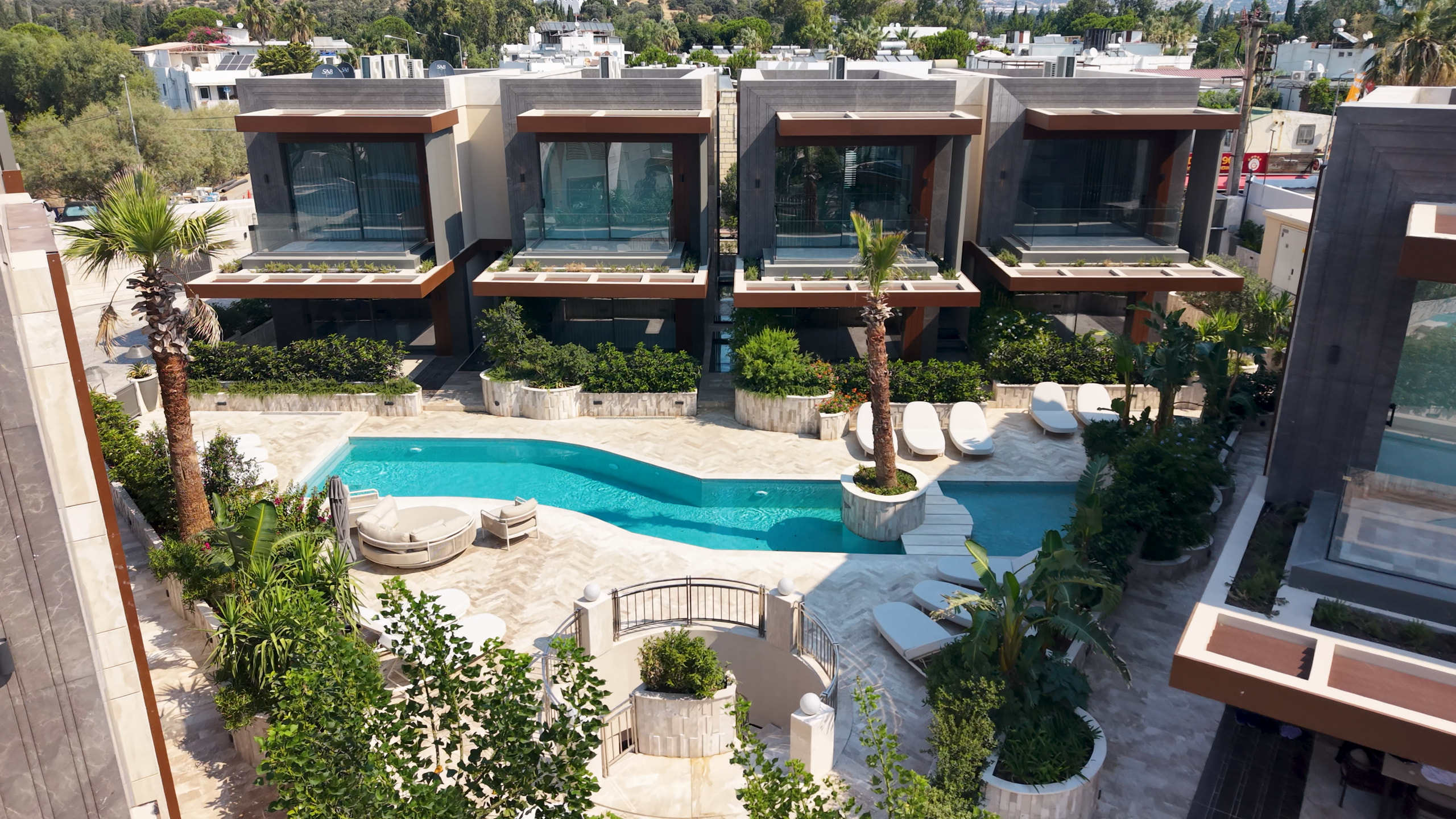
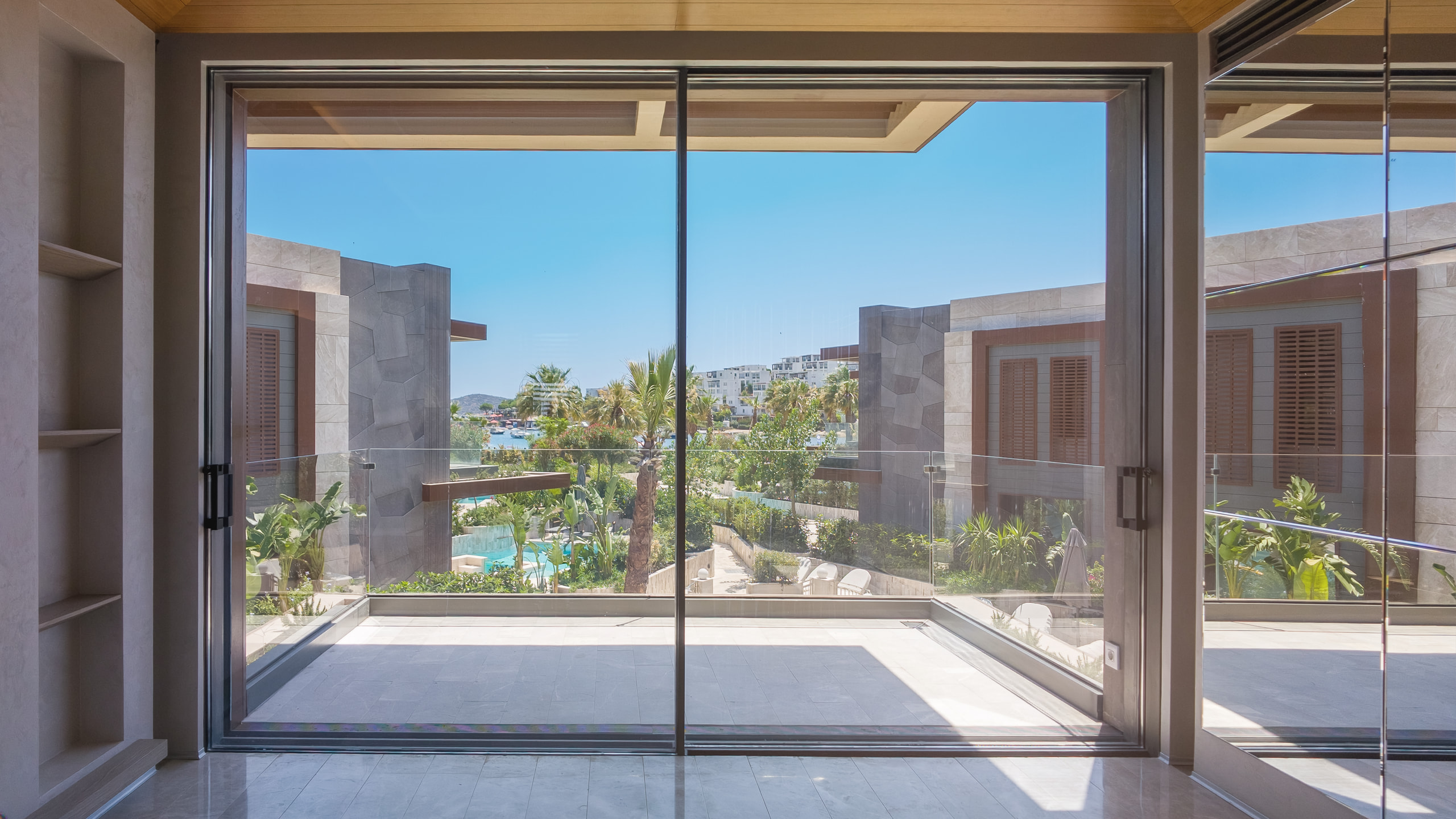
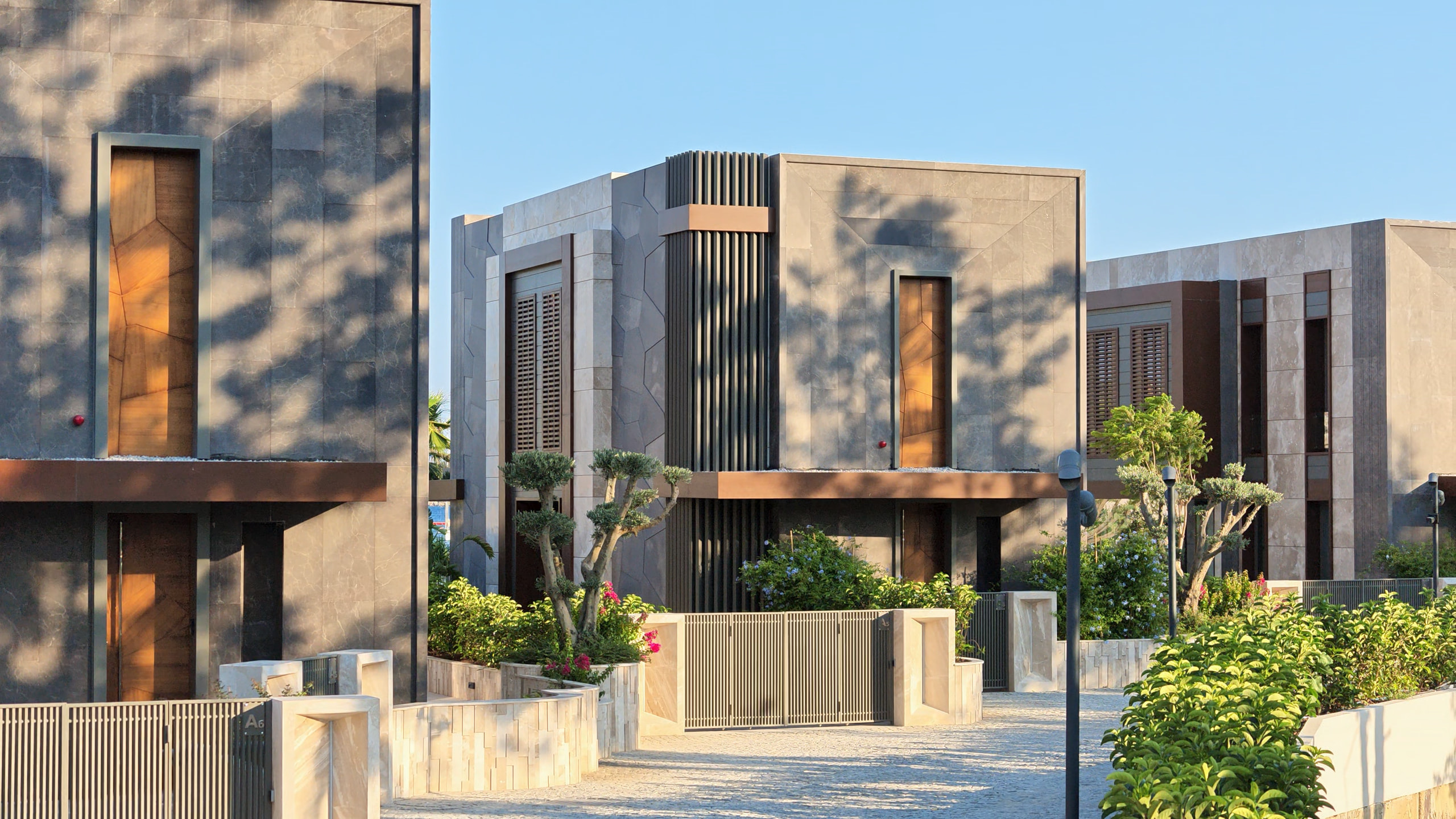
On the Bodrum peninsula a villa is usually a modern pool house on a terraced hillside, oriented at a bay, and priced on how close the water is. Around Çeşme and Urla it more often means low, stone-built and wind-conscious, with the Aegean architecture the region protects. In Antalya the range is widest and the new-build supply deepest, from resort-adjacent to genuinely remote in the Kalkan hills.
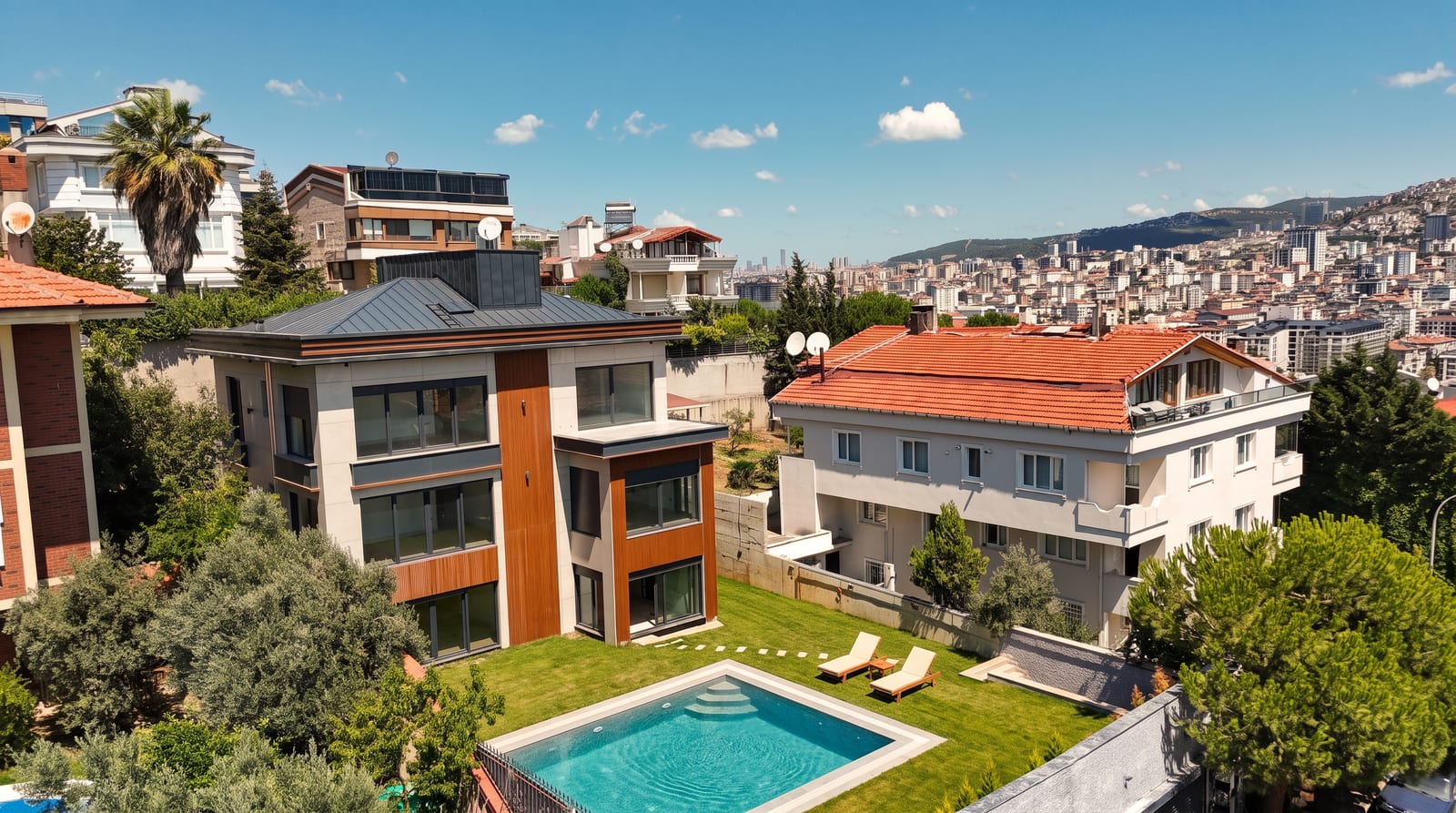
And in Istanbul a villa is a city house — gated, wooded, north of the centre, bought by families for the schools and the space rather than for a season. It is the only one of the four that is a primary residence more often than a holiday home, and it behaves completely differently on resale.
On a site, or on its own
This is the single most consequential choice in the villa market and it cuts across every region. A villa inside a managed development shares security, grounds and often a beach club, pays an annual charge for them, and can be closed up for eight months without anything going wrong. A standalone villa on its own parcel gives you complete privacy and hands you every decision, every contractor and every winter.
Overseas owners who are on site a few weeks a year almost always do better on a managed site, and regret it less. Buyers who intend to live in the house, or who want land, go standalone. What does not work is buying a standalone house for the privacy and then discovering there is nobody to call in January.
Land, licence and the questions to ask early
Ask whether the plot is a single deed or a share in a communal parcel, because that constrains what may be extended, subdivided or sold separately later. Ask for the occupancy permit (iskân) — a house built without it is legal to own and awkward to sell, mortgage or insure. And on coastal plots, ask where the shoreline setback runs, because it decides what can ever be built between the house and the water.
None of these is unusual, and none of them is a reason to be nervous about the Turkish market. They are simply the checks that separate a diligent purchase from an optimistic one, and they are cheaper to do before an offer than after a deposit.