
Where to Buy Property in Türkiye
630 homes across every market we hold, $150K to $50M. Türkiye is not one property market and treating it as one is the most expensive mistake an overseas buyer makes — a city, a coast and a mountain lake behave nothing alike on price, season or resale. This page is the map. If you already know the market you want, go to Istanbul, Bodrum, İzmir or Antalya.
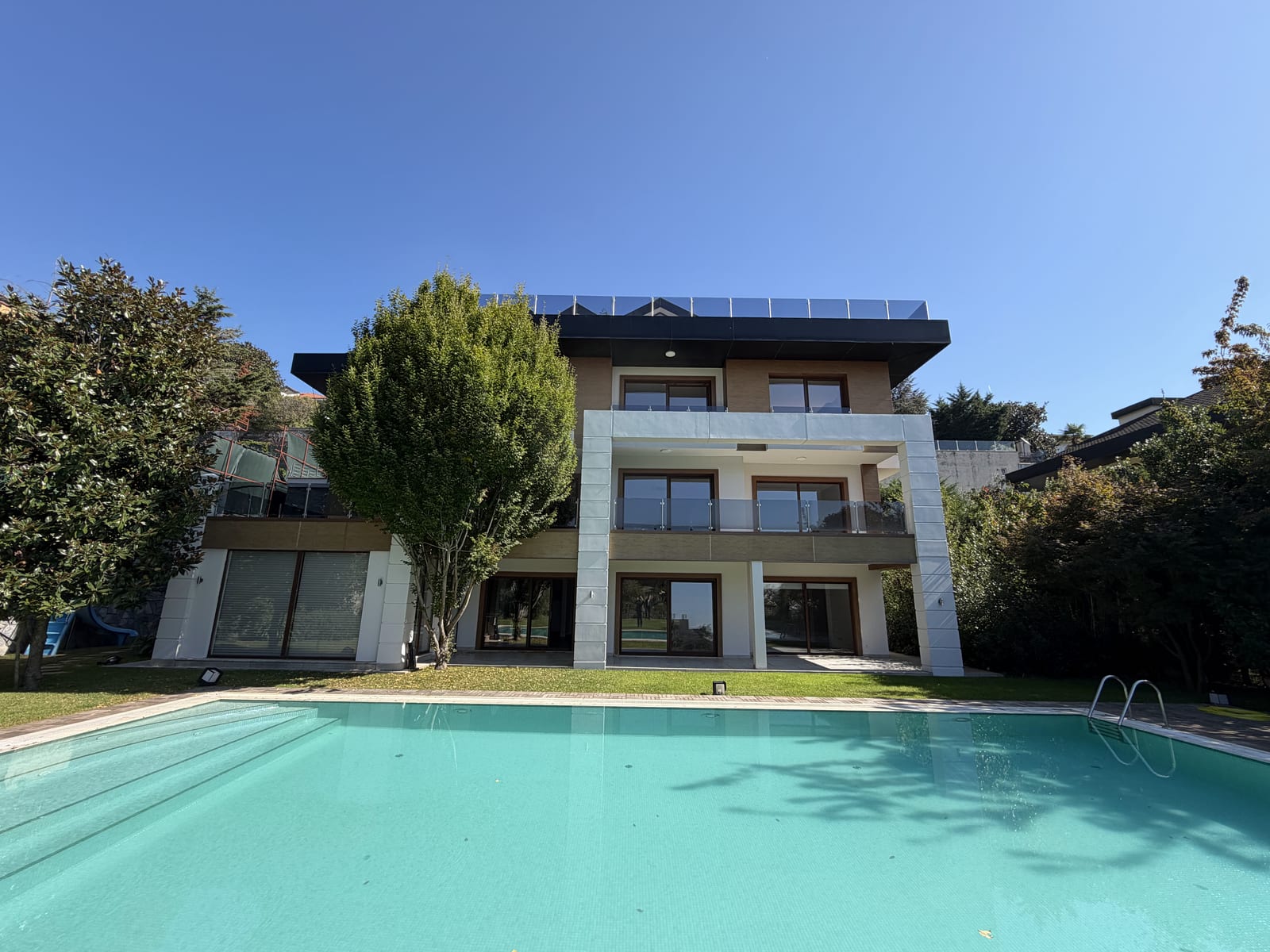
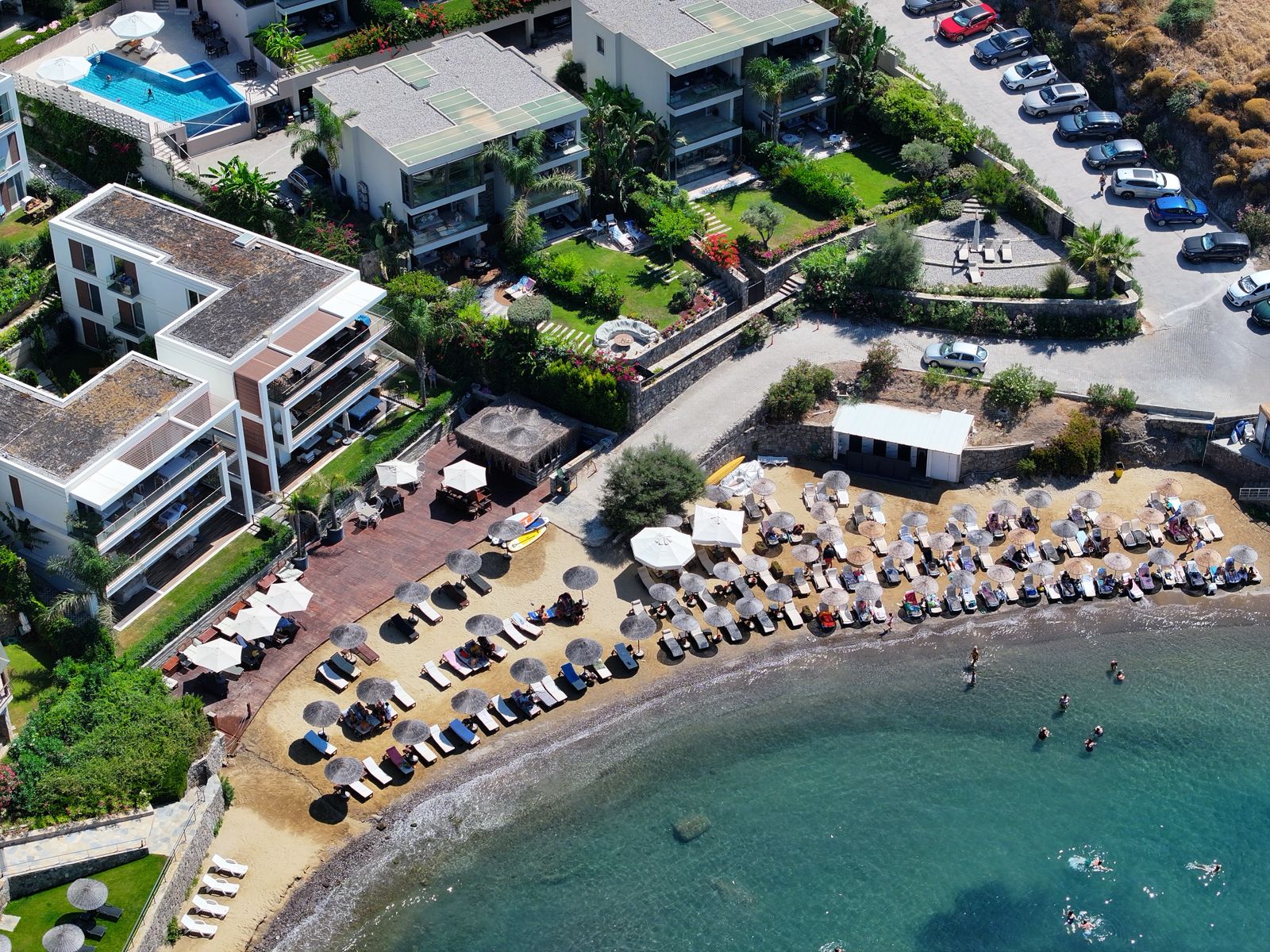

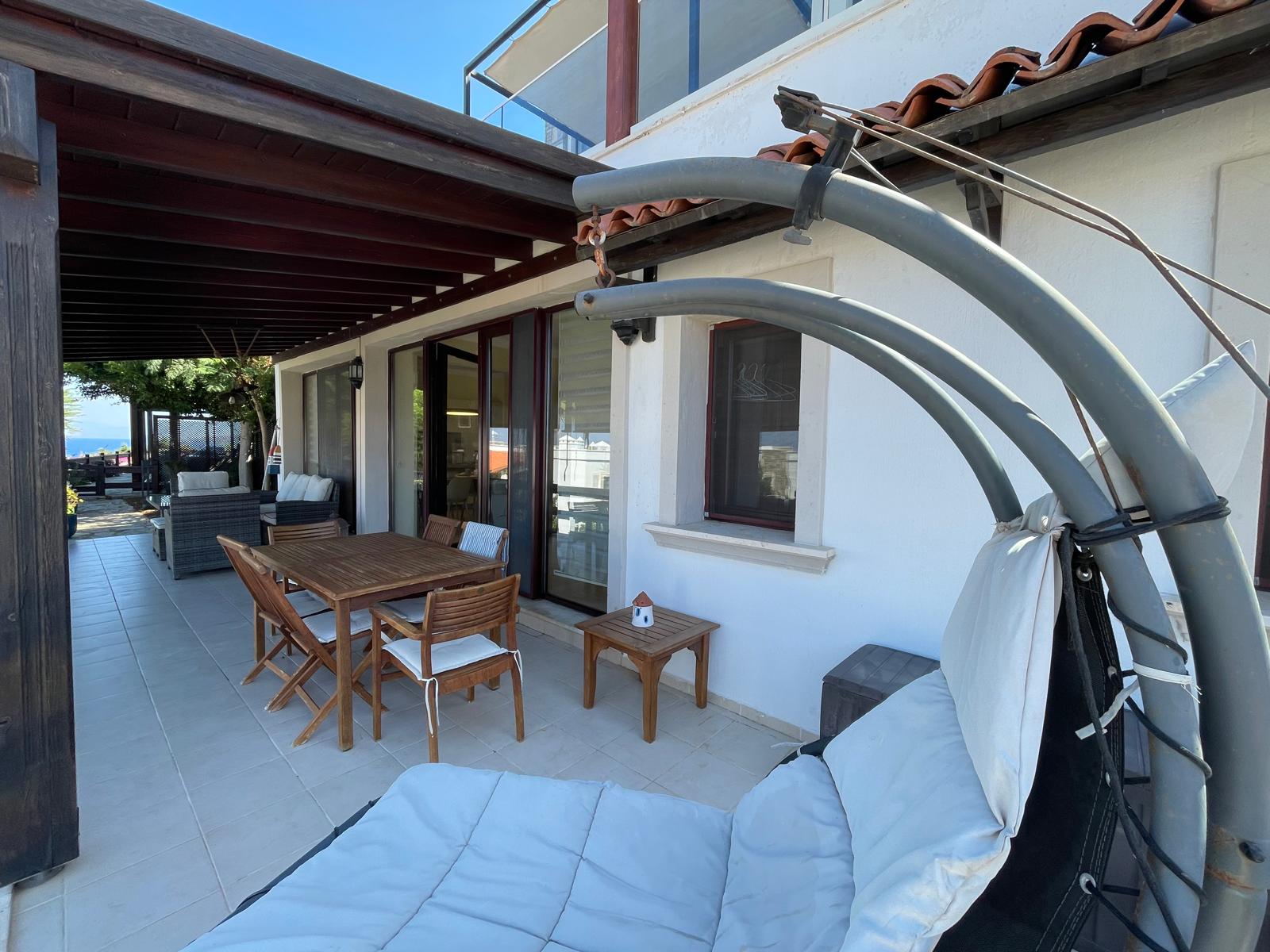
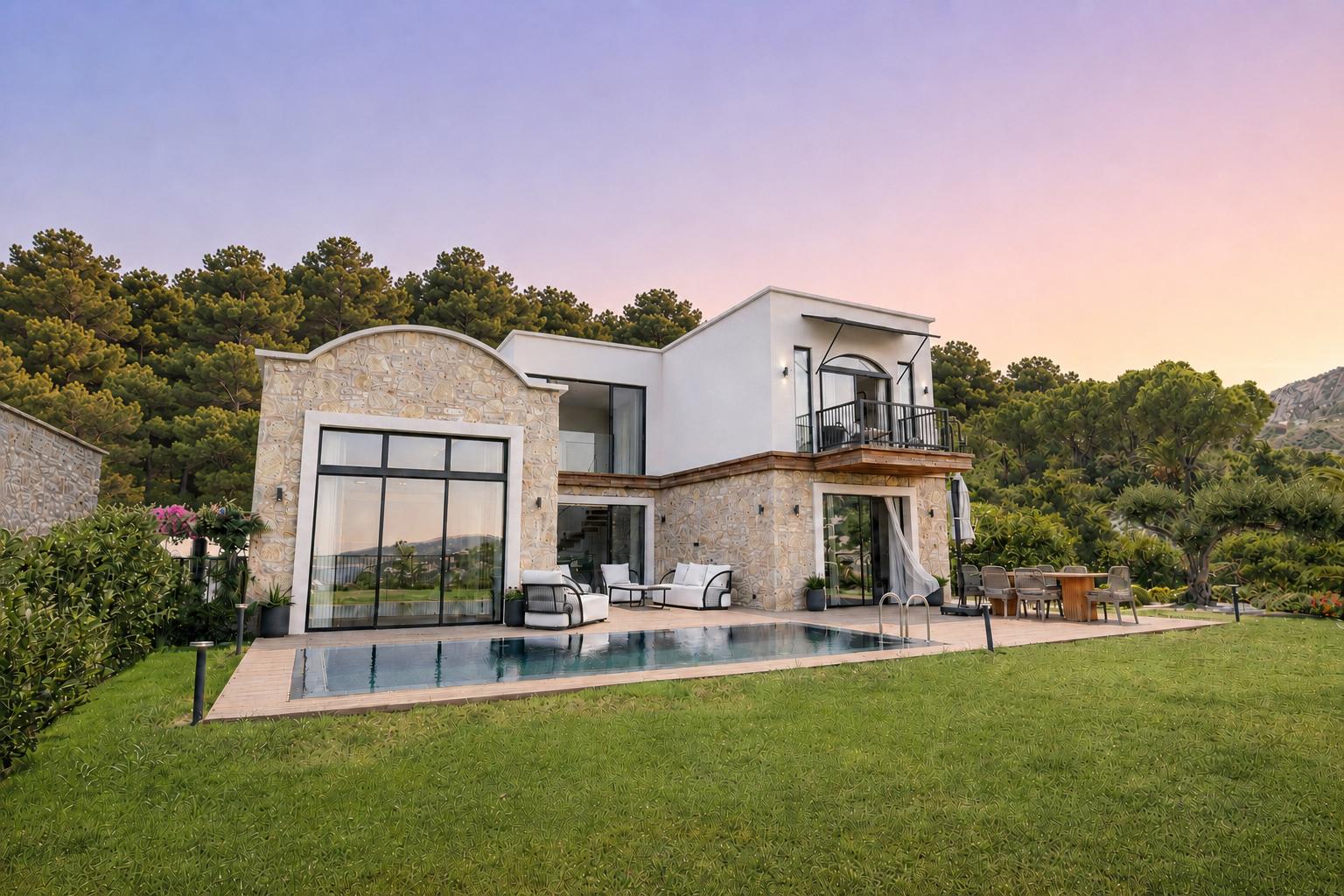


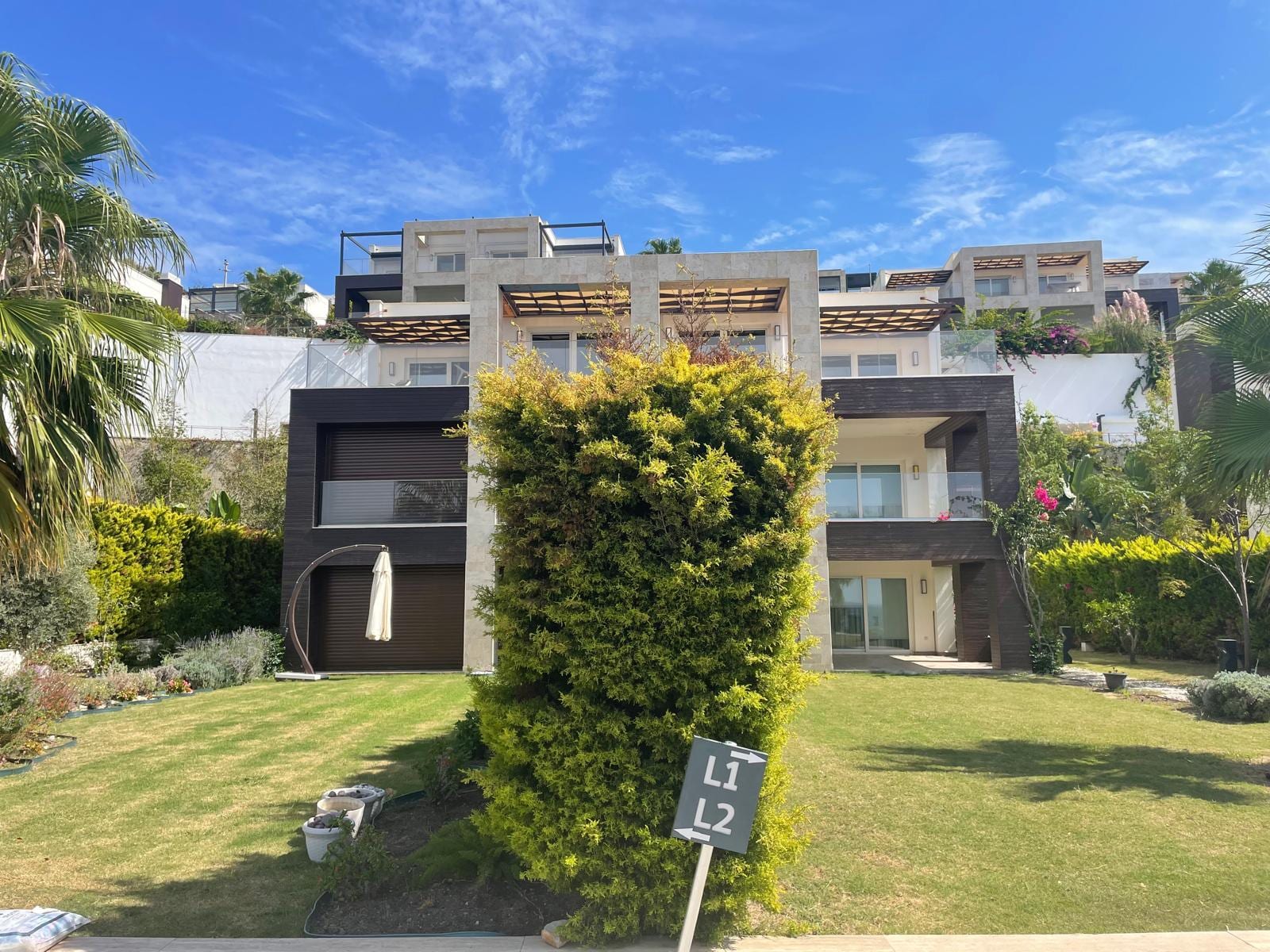
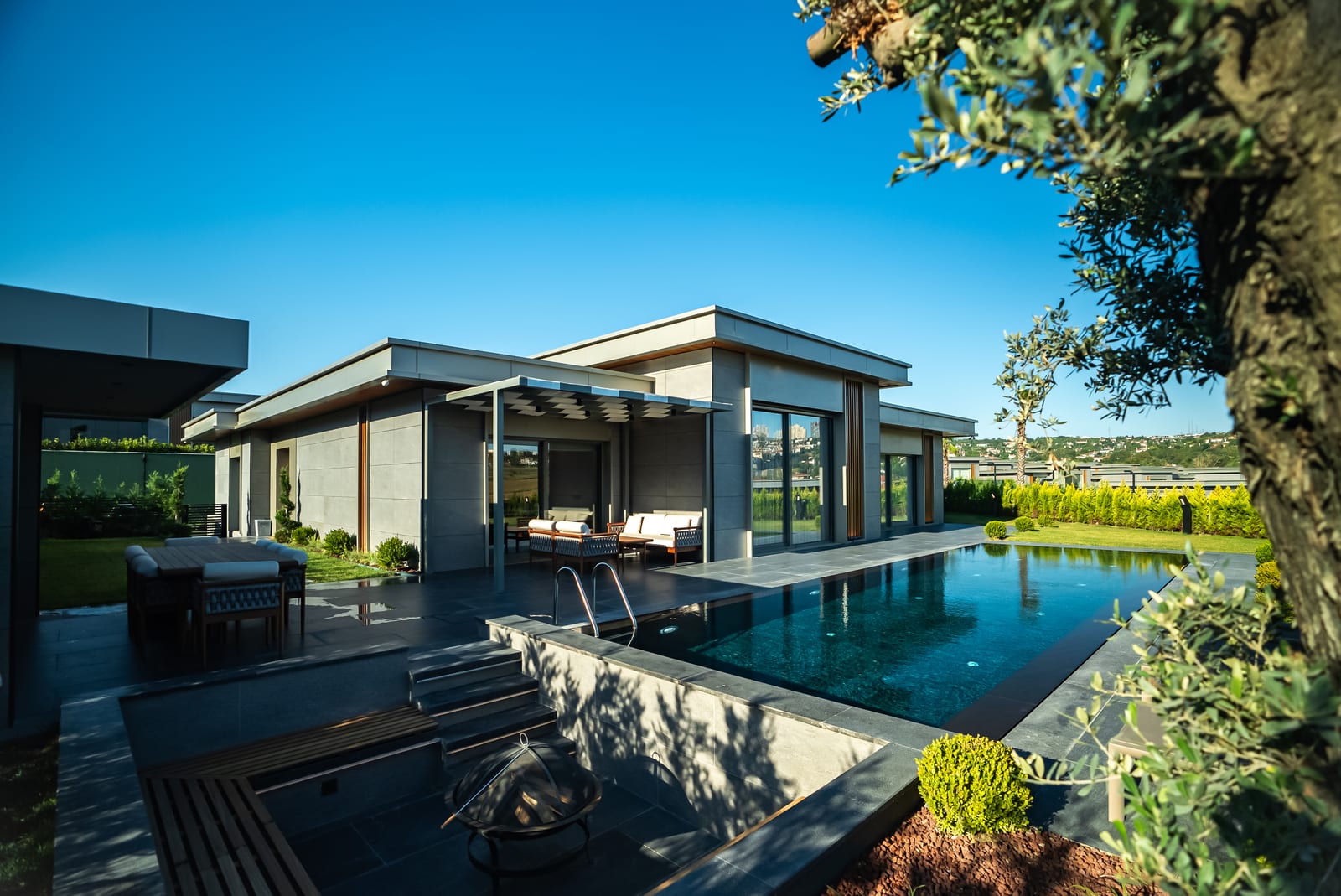


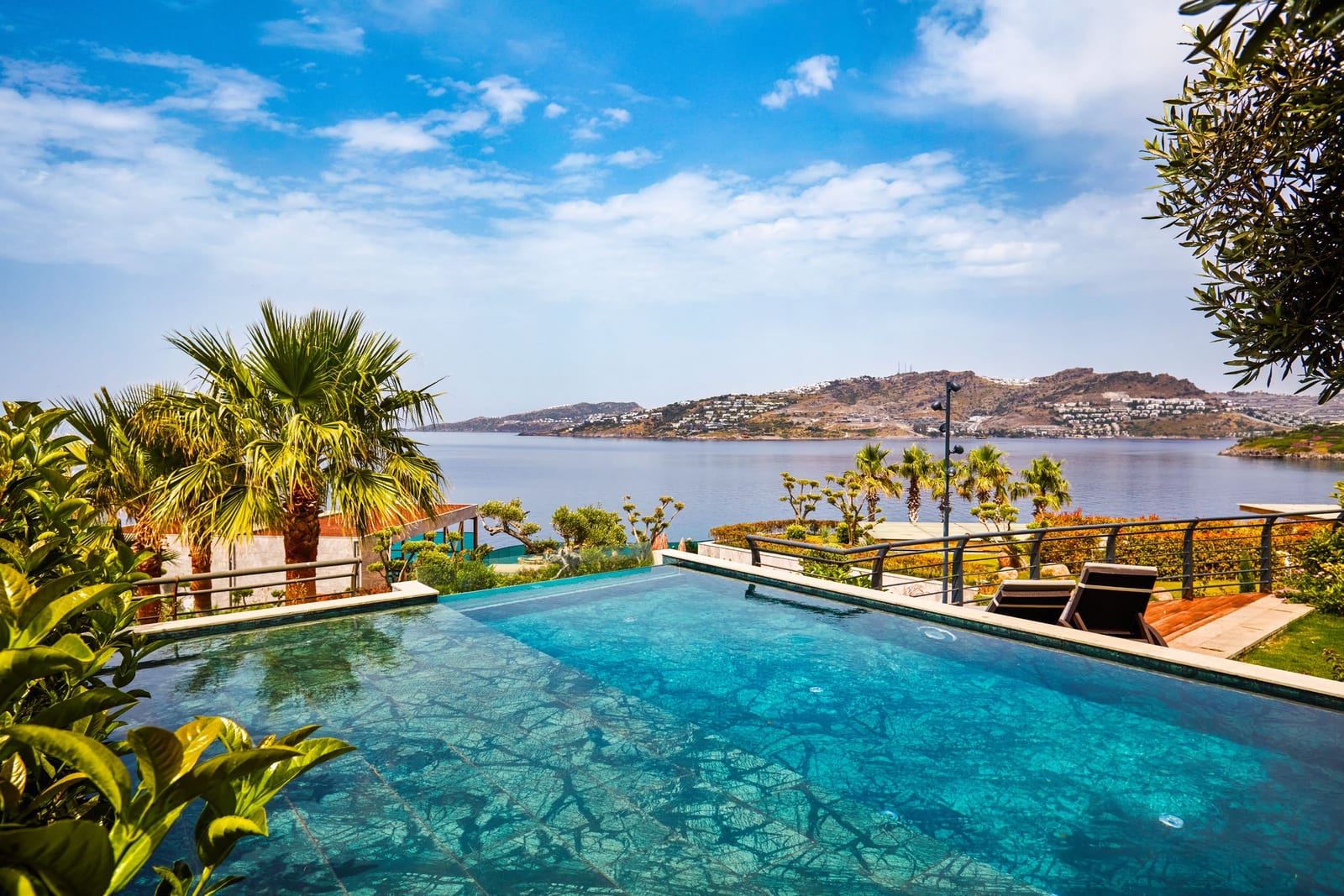
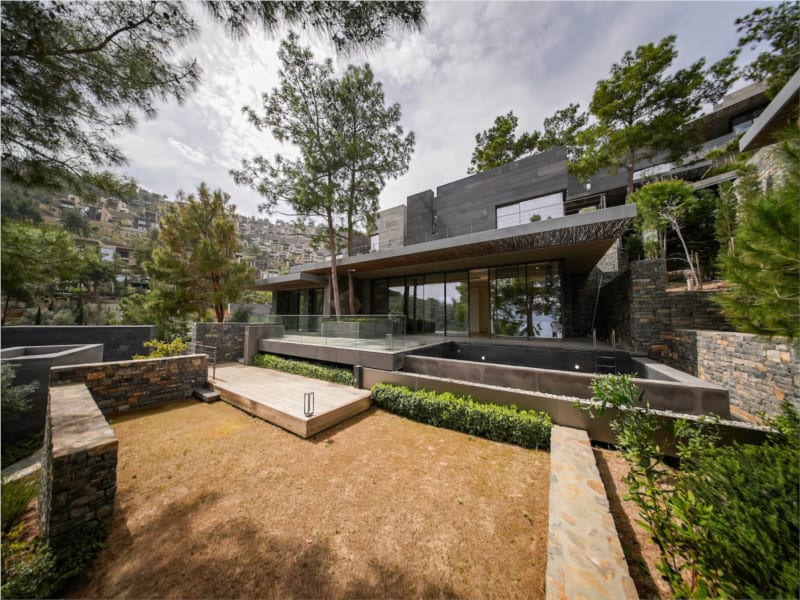
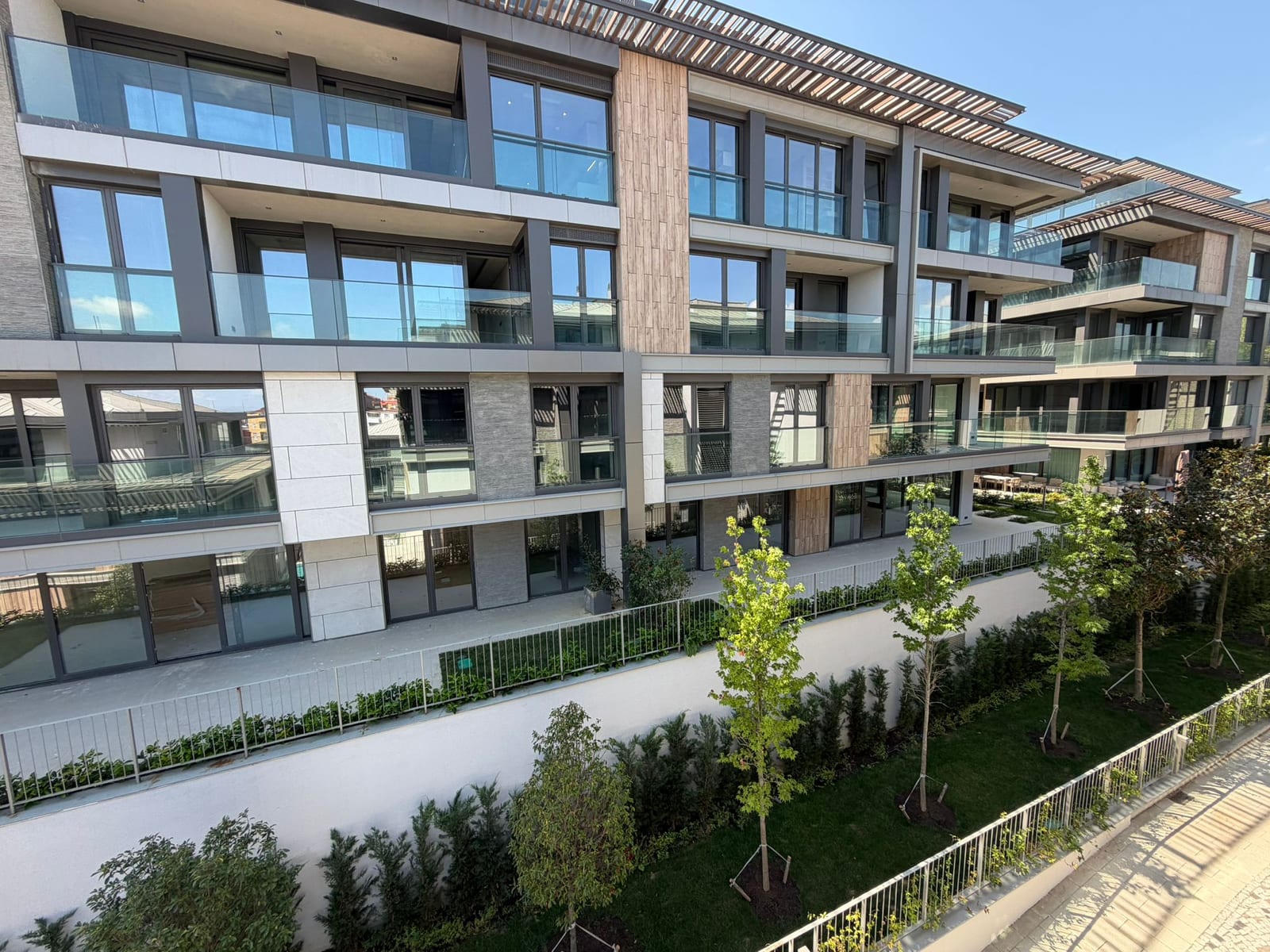
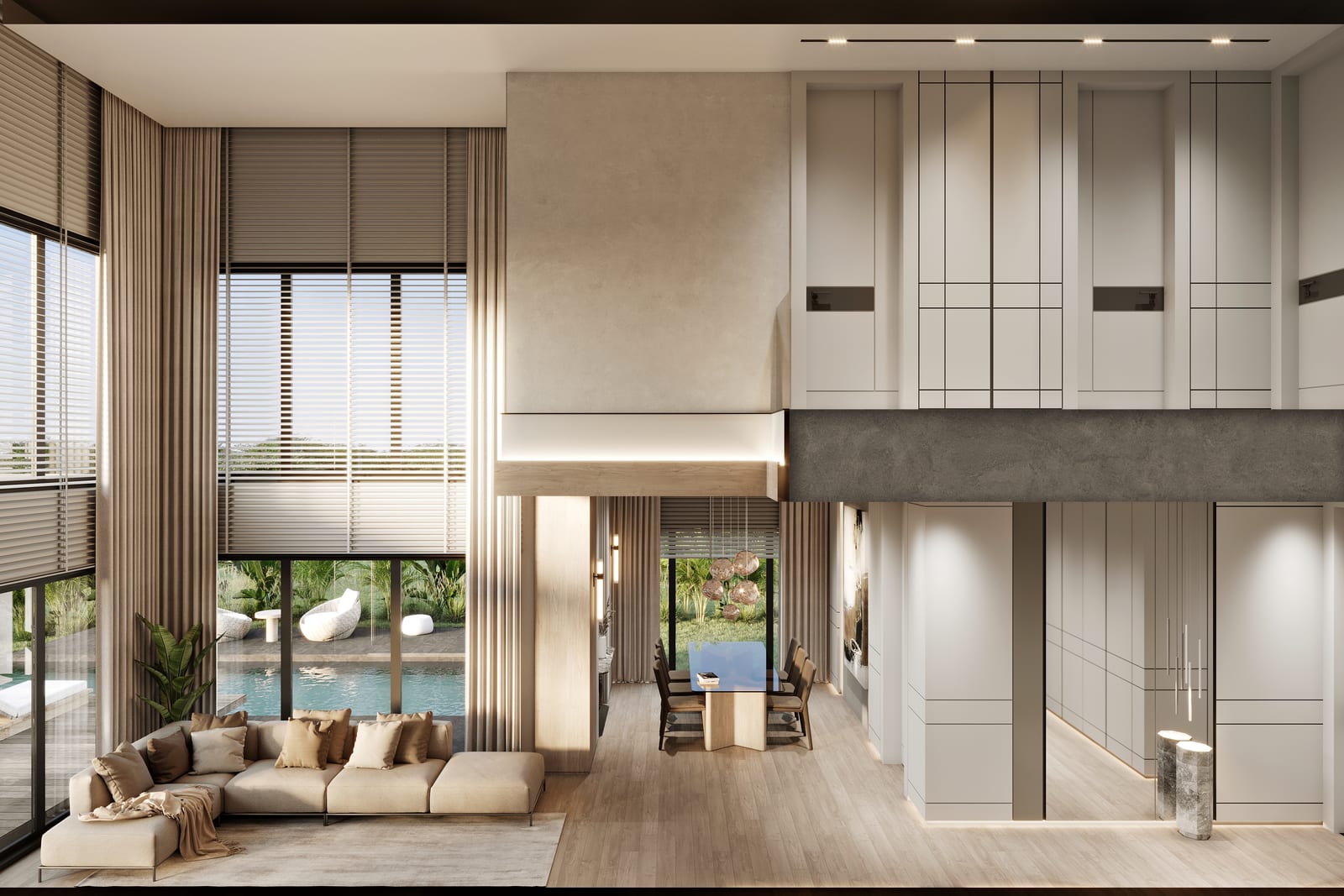
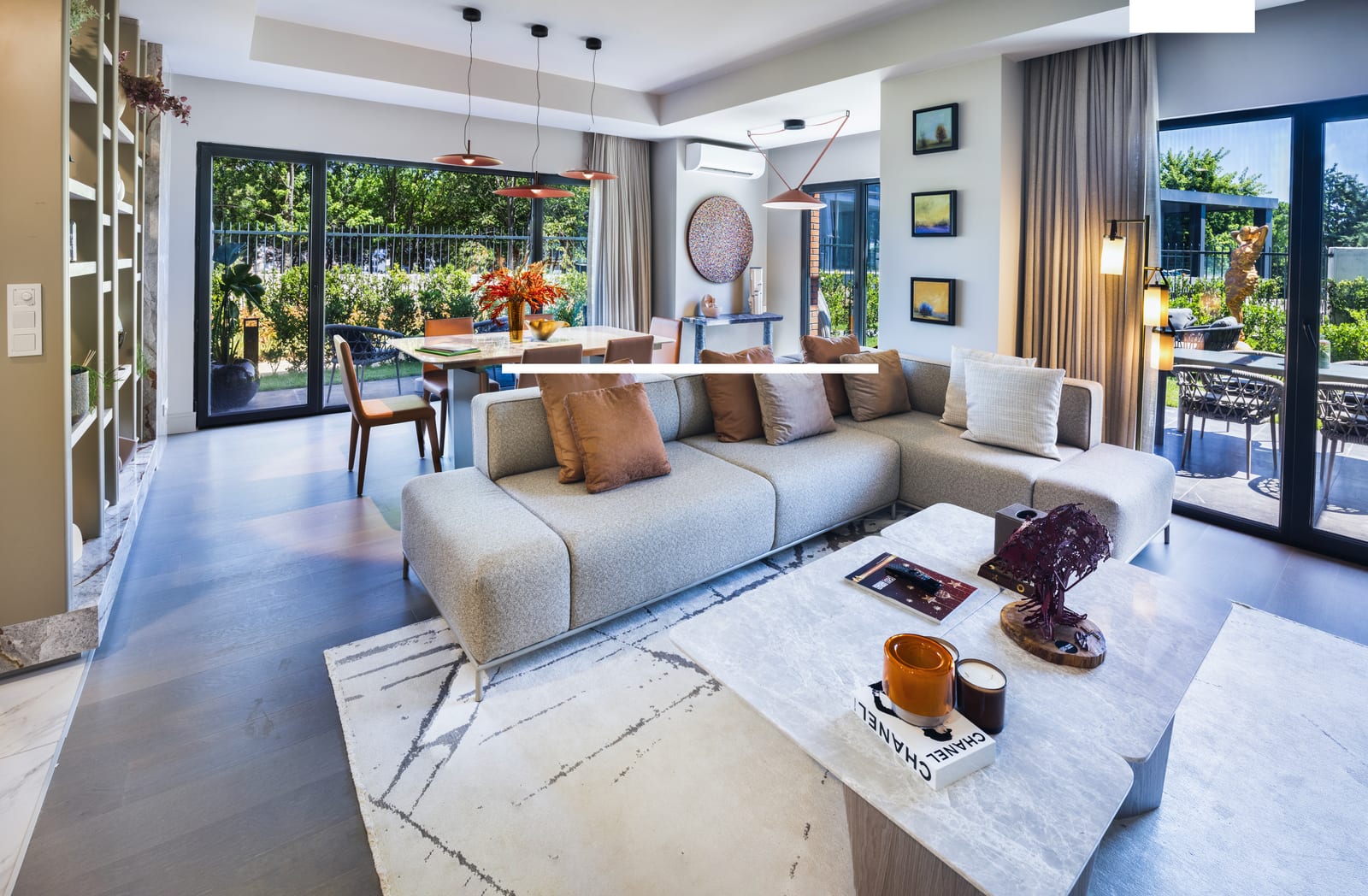

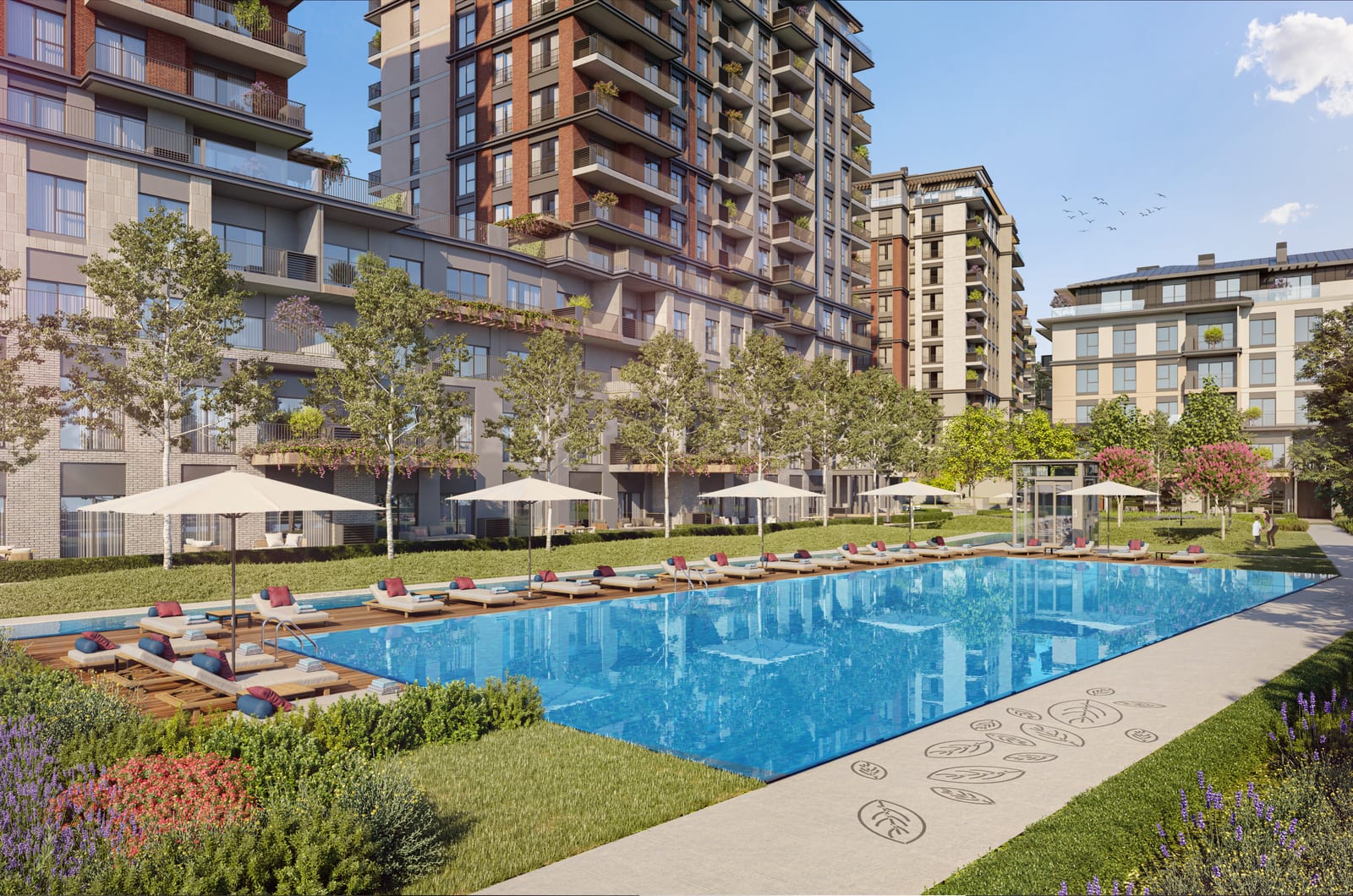
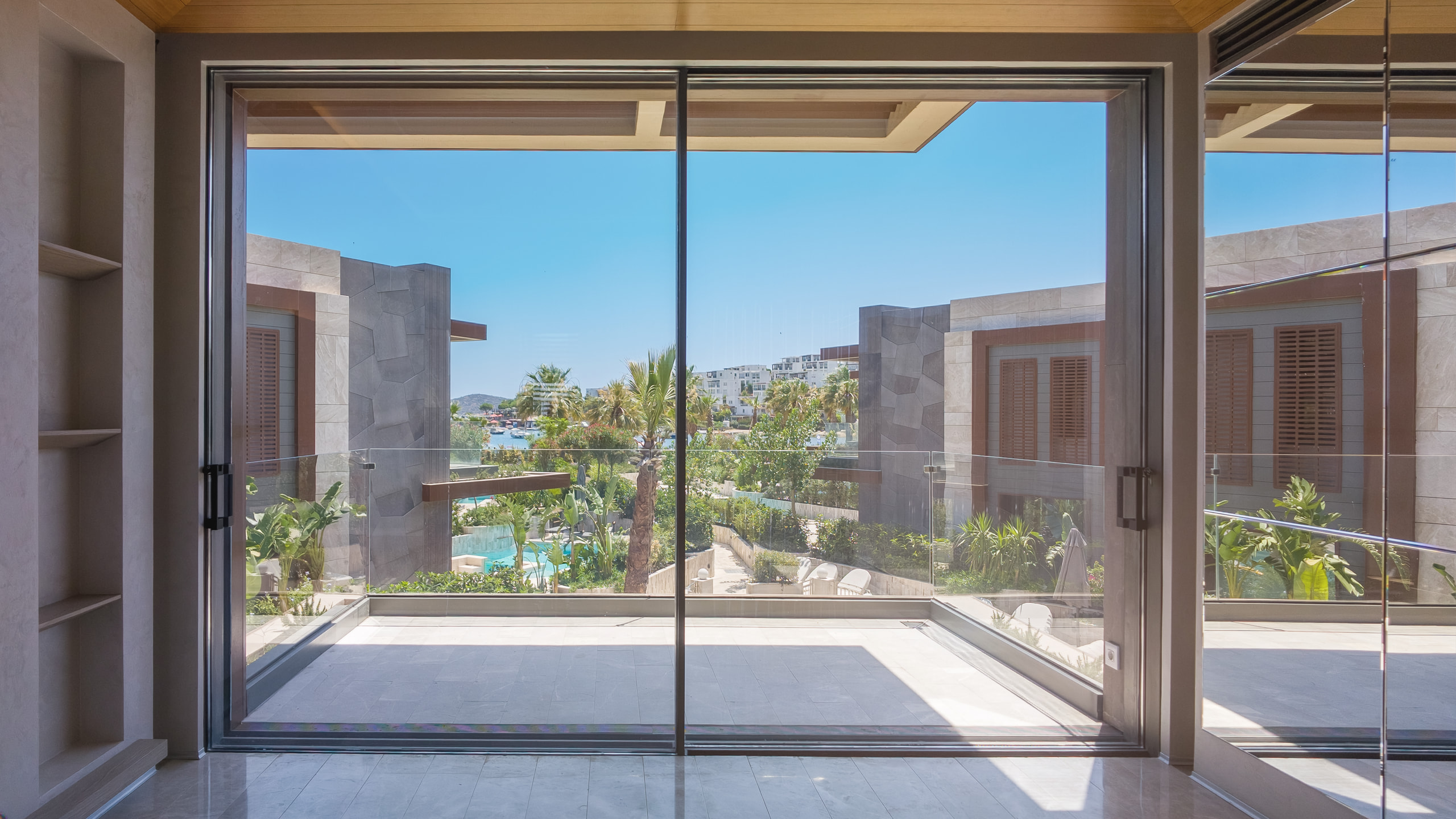

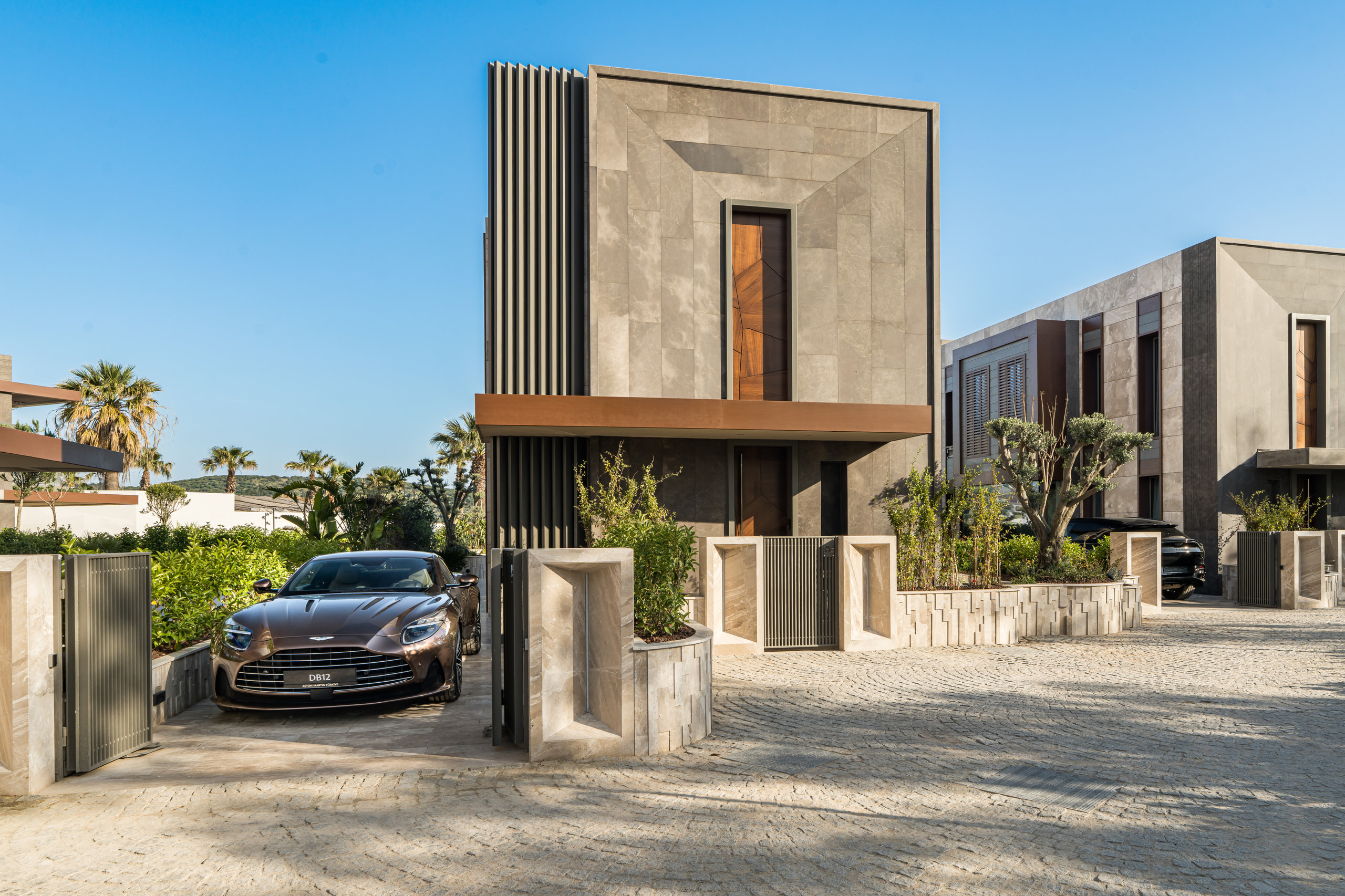


The first decision is city or coast
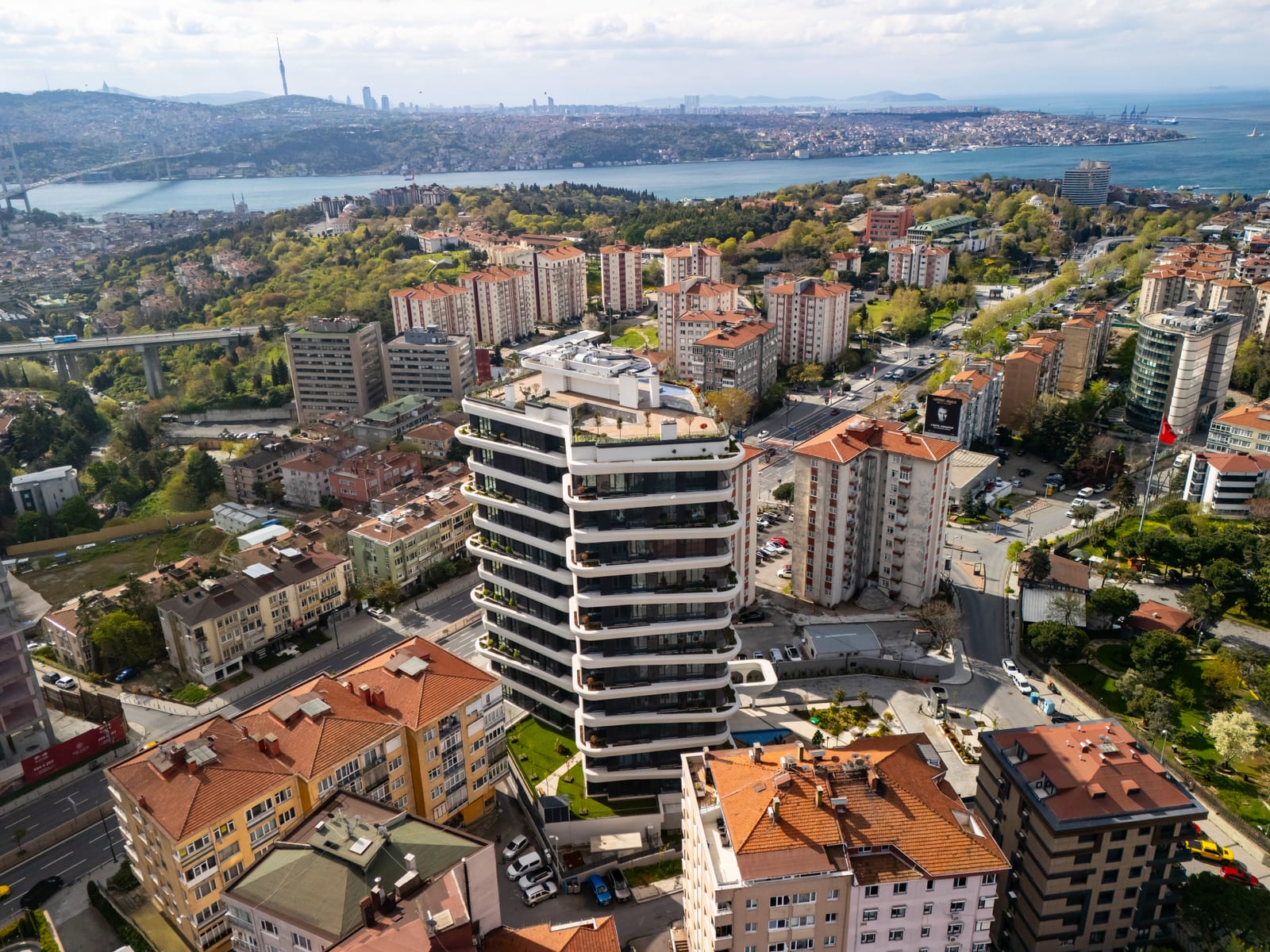
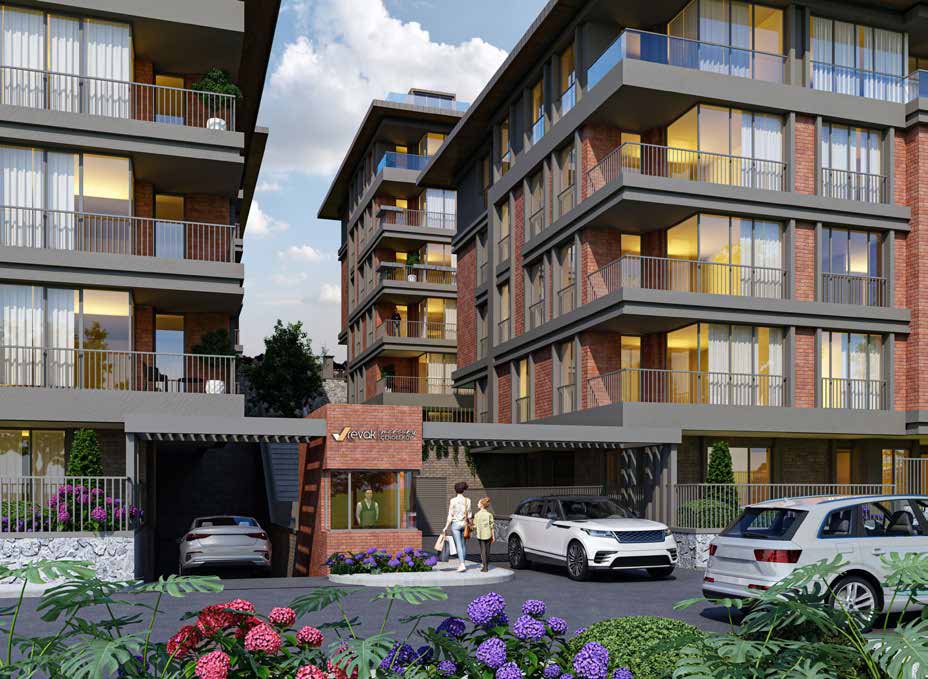
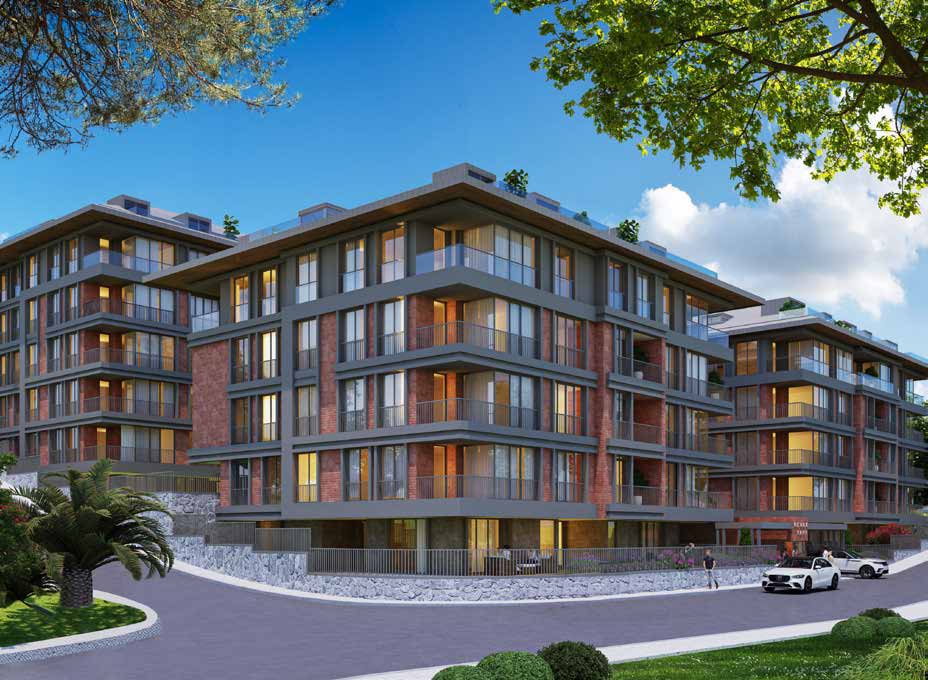
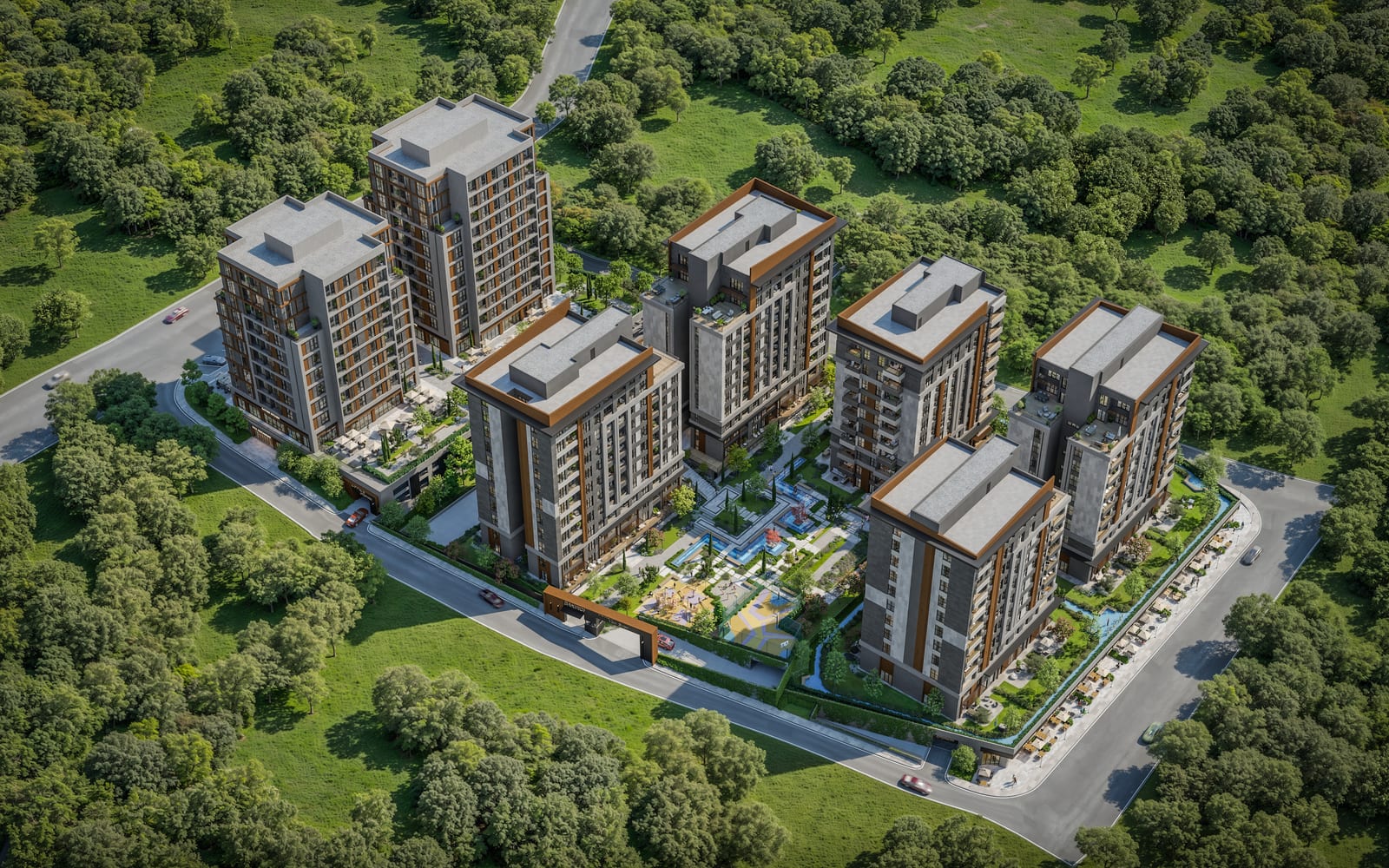
A city property works twelve months a year. It lets long-term to people who live there, it has a domestic resale market underneath it, and its value moves with the economy rather than with the tourist season. Istanbul is the only market in the country with real depth at every price level, which is why it is where investment money concentrates.
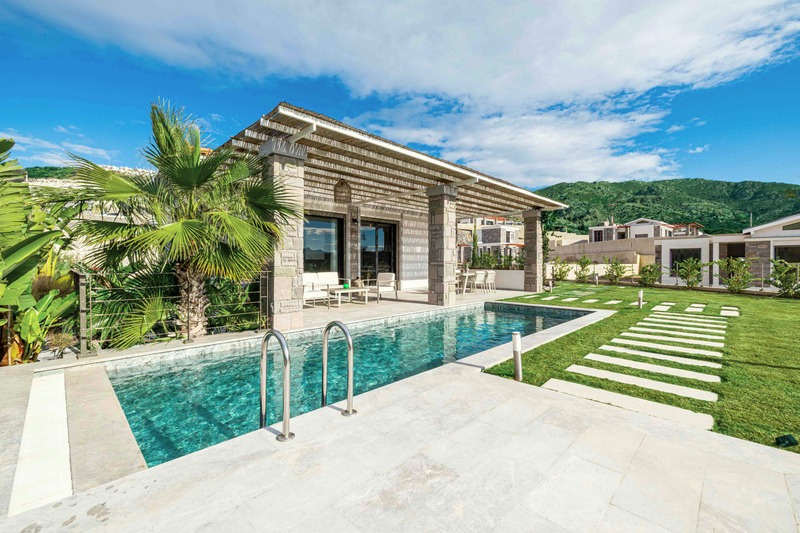
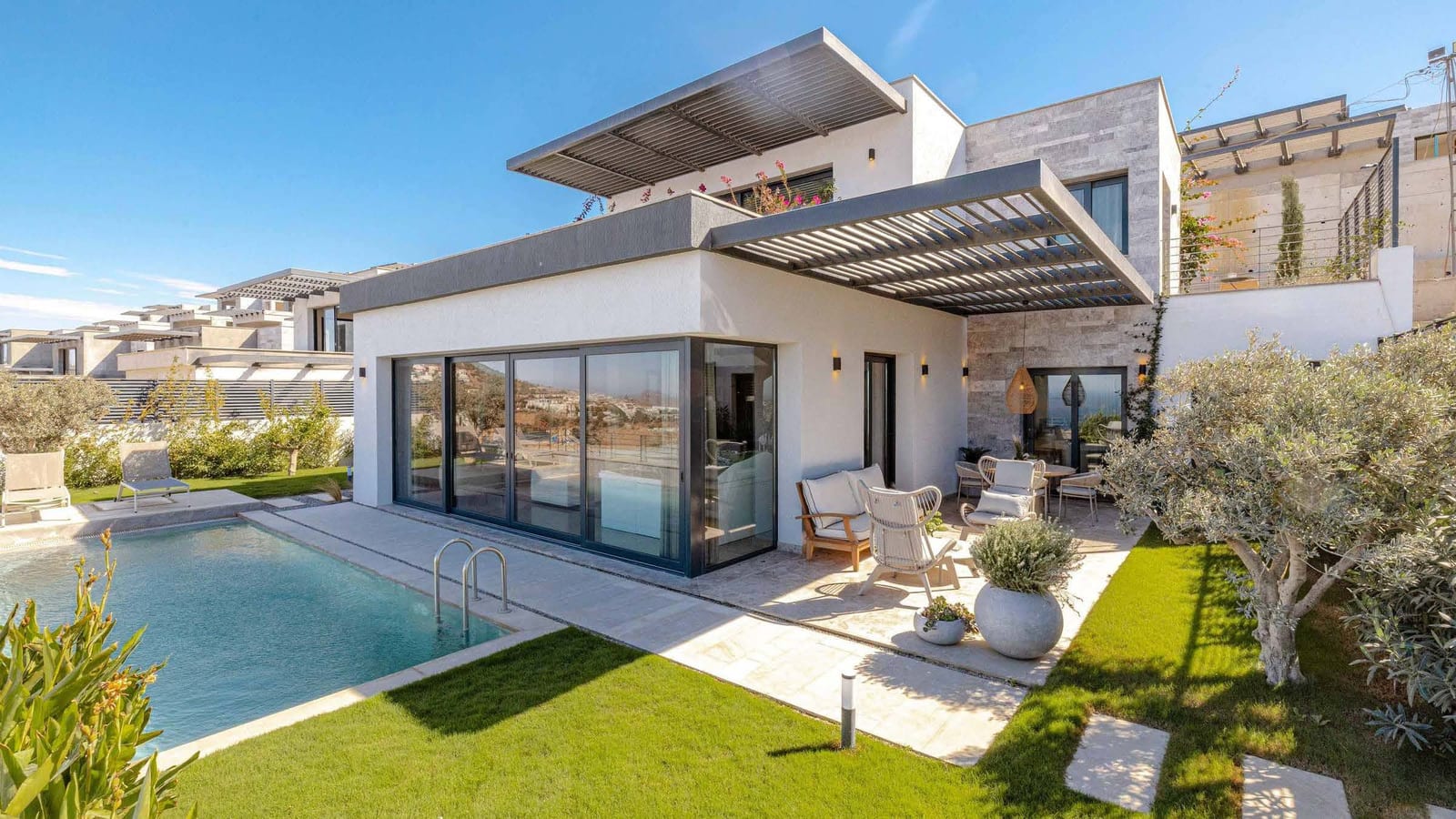
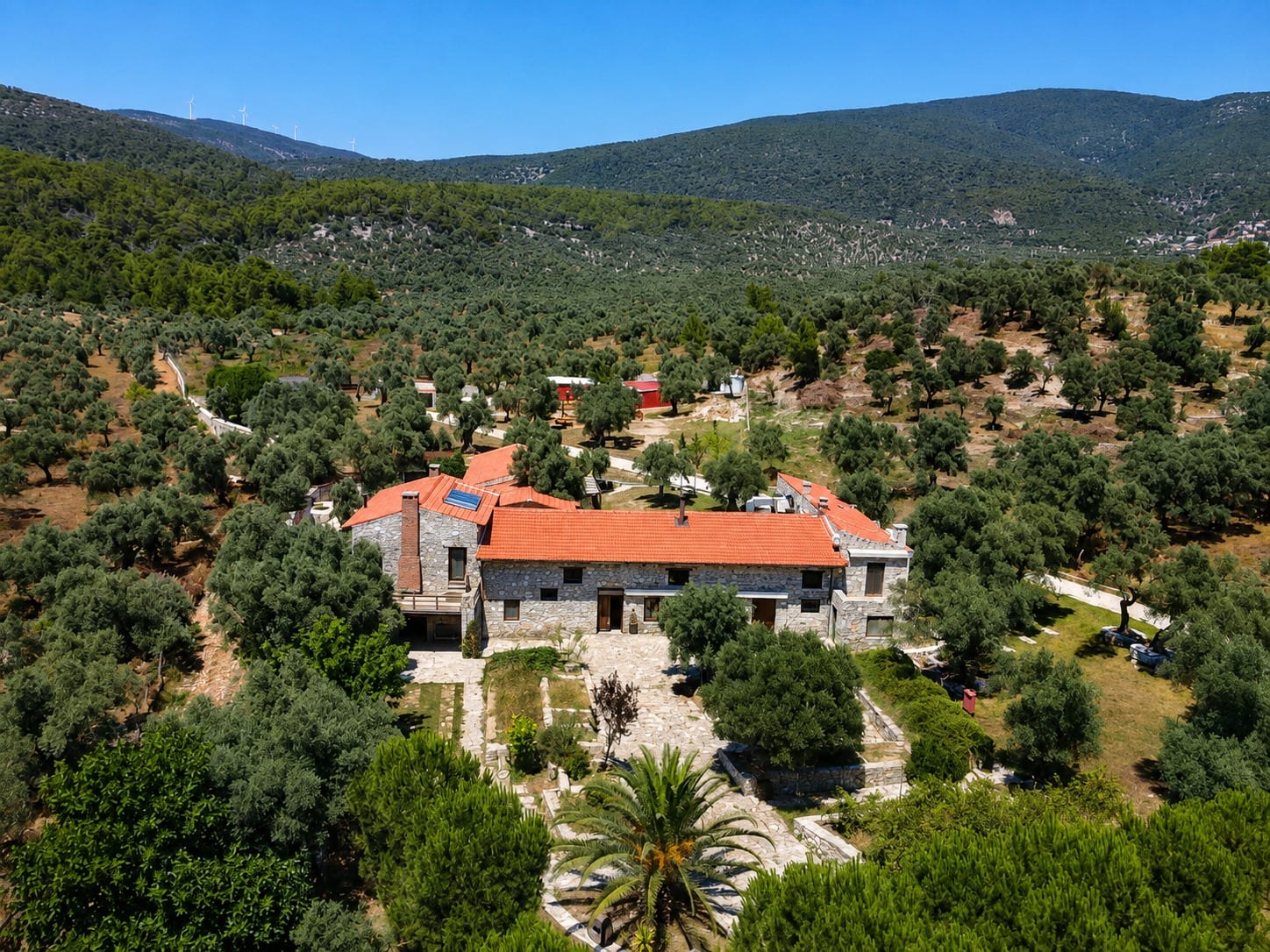
A coastal property works for a season and sits empty for the rest of it. That is not a criticism — it is what a holiday home is — but it changes everything downstream: the letting model, the running costs, how quickly it resells and to whom. Buyers who want both usually end up with a city apartment and a smaller coastal place rather than one property trying to be both.
The markets, briefly
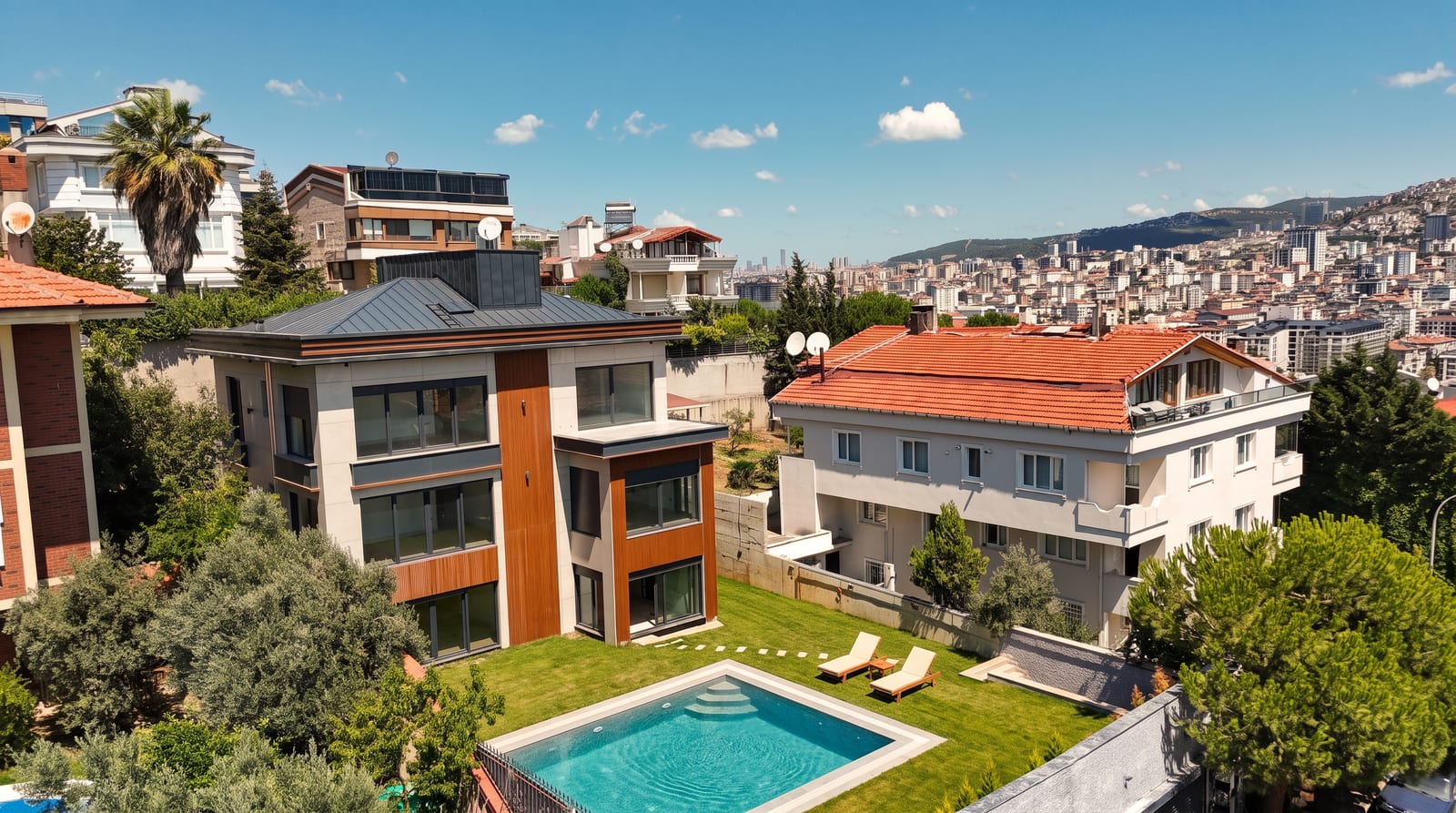
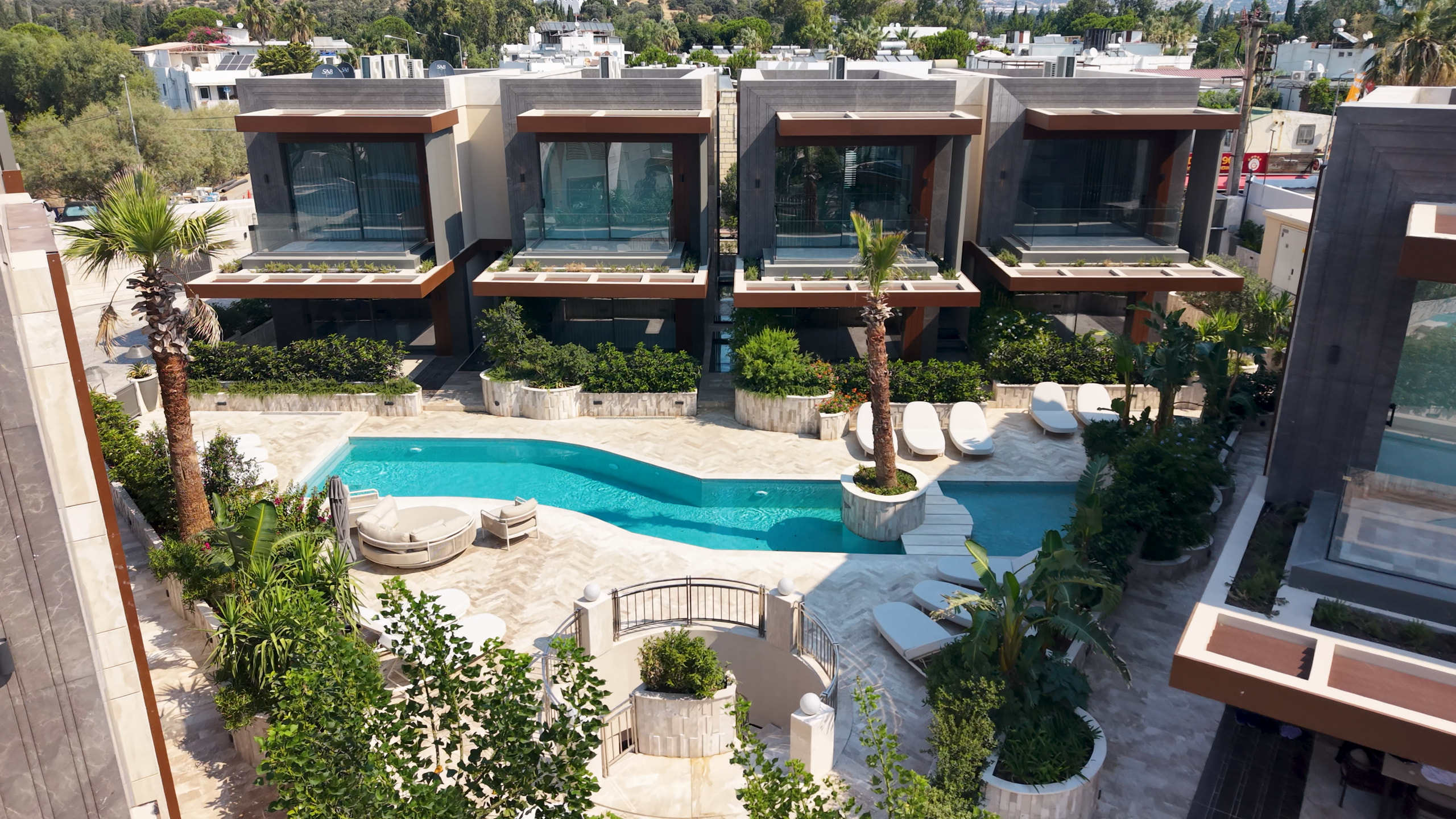
Istanbul: the deepest and most liquid, year-round, and where the branded residence stock is. Bodrum: the most established second-home market, strong domestic base, short season, high prices. İzmir and its coast: where Turkish buyers themselves go, steadier and less exposed to foreign-buyer cycles. Antalya: the largest and most international resort market, the most new-build supply, and the widest gap between good and bad purchases.
Then the specialists — Sapanca's lake houses within driving distance of Istanbul, and the Bosphorus waterfront, which is a market of a few hundred properties and its own rules. We hold stock in all of them, with advisors who live in the market rather than covering it from a head office.
How to choose without visiting six of them
Answer three questions before you look at a single listing. How many weeks a year will you actually be there? Does the property need to produce income, or only not cost money? And if you had to sell in three years, who is the buyer? The third one eliminates more shortlists than the first two combined, and it is the question the citizenship route makes unavoidable, because the three-year deed annotation puts a date on it.
Once those are answered the market usually picks itself, and the property search becomes a short conversation rather than a long scroll. That is the conversation our advisors are for.